Finding solid iptv tv online sources in 2026 feels a bit like panning for gold — there’s a ton of noise out there, and not all that glitters is worth your time. For folks running IPTV businesses or sourcing portals for resale, you’ve probably hit the wall more than once with sketchy links, downed streams, or content that disappears overnight.
Truth is, it’s tough keeping up with daily updates while managing client expectations. You need reliability, not rabbit holes. That's what this guide is about — real solutions for real operators who don’t have hours to waste chasing dead-end links.
One IPTV buyer from Toronto told us: "We used to check 20 sources a day just to keep three stable. It was burning out the team." That’s not sustainable — and it shouldn’t be normal.
We spoke with a senior engineer at StarIPTV, who put it plainly: “If it’s not stable, it’s not scalable.” Simple, but bang on.
So, if you're tired of the guesswork and want IPTV sources you can actually build on, this guide is your shortcut to stream-ready, business-tested portals. Let’s cut through the noise.
Daily Updated IPTV Sites You Can Actually Rely On
HLS and MPEG-DASH Portals with Stable CDN Support
HLS and MPEG-DASH are the cool kids of streaming — both use Adaptive Bitrate to give you smooth playback, even if your internet decides to act up. (developer.apple.com)
A Content Delivery Network (CDN) like Cloudflare helps get those video segments to you fast, no matter where you're chilling. (developers.cloudflare.com)
Edge Servers close to your location cut down on buffering — which, let’s be real, nobody has time for.
The magic lies in the manifest file — it tells your device which version of the stream to pull.
Want fewer headaches? Stick with portals that mention DASH or HLS + a CDN like Cloudflare. That’s the recipe.
M3U and M3U8 Playlists from Verified Portal URLs
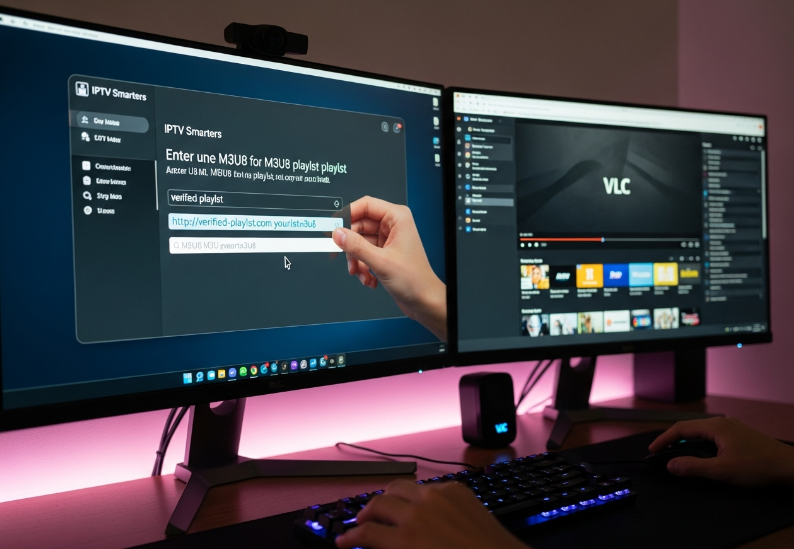
Grab a verified playlist file in M3U/M3U8 format.
Paste the remote URL into IPTV Smarters or VLC Player. (iptvsmartersplus.com)
If the channel list loads cleanly, you’re golden.
Check for working stream URLs by clicking around — broken links are a red flag.
Avoid sketchy lists; look for portals that update daily and clearly tag channels.
“We review over 10,000 M3U8s weekly — 90% are garbage. Look for clean formatting and responsive stream URLs.” — Leo Renard, Senior Engineer @ StarIPTV
XMLTV and EPG Data Sources for Accurate Scheduling
Accurate Electronic Program Guide (EPG) data means your shows start when they should, not 10 minutes late.
Here’s how EPG info stays sharp:
Pulled via XML Format from a reliable remote URL
Cross-referenced with Channel ID and Timezone
Enriched by metadata like episode names and program info
Auto-synced daily by IPTV apps with TV Guide features
Pro Tip: Use portals that bundle both playlist and EPG together. Way less hassle.
Low-Latency Live Streaming via HTTP and RTMP
RTMP (Real-Time Messaging Protocol) may be old school, but it’s still a beast for low-delay feeds.
HTTP streaming using tools like OBS Studio and Media Servers keeps the flow steady. (obsproject.com)
Tweak the bitrate and video encoding for better results on your TCP/IP connection.
If your stream takes longer than 2 seconds to load — yeah, you’ve got a latency problem.
Streaming Protocol Comparison Table
| Protocol | Average Latency | Used In | Buffer Control |
|---|---|---|---|
| RTMP | ~2s | Live Sports, News | Good |
| HTTP | ~5s | General IPTV | Excellent |
| DASH | ~6s | VOD, Movies | Great |
Bandwidth and DNS Optimization for Daily IPTV Updates
Check your network throughput — less than 10 Mbps? Expect buffering.
Swap to a faster DNS resolver (like 1.1.1.1 or 8.8.8.8).
Kill off ISP throttling with a VPN — works wonders for IPTV.
Clear your cache to improve routing decisions and reduce packet loss.
Every day counts with IPTV. A slow line today? No stream tomorrow.
Authentication and Token Management in Public IPTV Portals
Many portals use MAC Address, User Agent, or Session Token for access — think of it as a backstage pass.
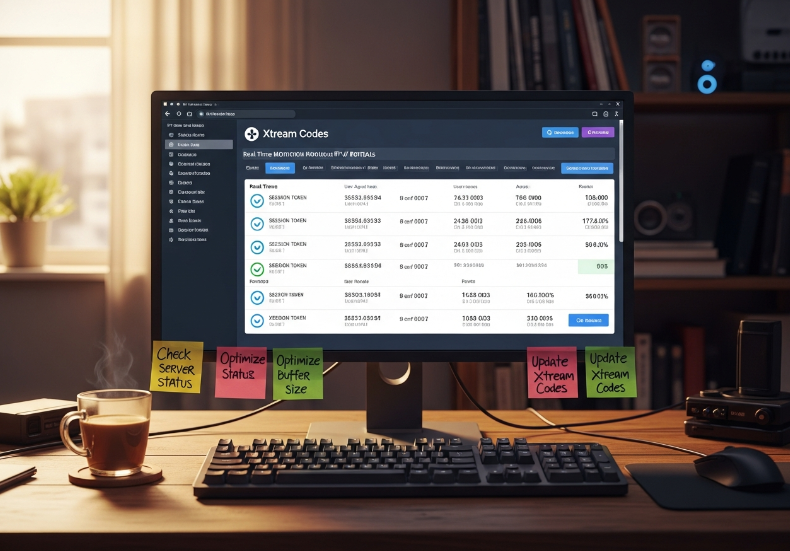
If the token expires, poof — no stream. That’s why API keys and smart middleware like Xtream Codes matter. (vsys.host)
Some systems use encrypted tokens, making them safer but trickier to reuse.
Public portals often rotate their tokens or Stalker Portals, so automation tools help stay synced.
Rule of thumb: If the portal requires authentication, treat it like temporary gold — bookmark it, and refresh it daily.
5 Ways to Access IPTV TV Online Without Paying a Cent
Browser-Based HTTP Streaming with JSON Playlists
Fast, no-install way to stream live shows.
Works straight from any Web browser—Chrome, Firefox, you name it.
Uses HTTP protocol and JSON format from open API endpoints.
Often compatible with embedded JavaScript video players.
Just plug the live stream URL into a compatible player and go.
Works well on laptops, desktops, even Chromebooks.
Tip: Bookmark your playlist link for one-click future access.
Free RTSP and UDP Feeds on Media Player Platforms
Open VLC Media Player, and hit Open Network Stream.
Paste your free RTSP or UDP feed URL.
Check the stream for latency and buffering issues.
Tweak port and caching settings if the stream stutters.
For Multicast streams, make sure your network supports the Streaming protocol.
Bonus tip: UDP tends to be faster, but a bit more fragile on mobile networks.
📌 "We've seen RTSP feeds outperform others in raw speed when used properly," says Elena D., lead network architect at StarIptv.
Smartphone and Tablet Access Using M3U8 Files
This one’s perfect for on-the-go binging.
Grab an M3U8 playlist and import it into your favorite IPTV app.
Most apps on Android or iOS work best with the HLS protocol.
Be mindful of mobile data usage—streams eat it up fast.
Use Wi-Fi when you can to avoid buffering on weaker networks.
Streaming links often update, so always check for refreshed versions.
Want smooth playback? Set your app to auto-adjust resolution based on your connection. Works like magic.
VPN and Proxy Techniques for Unlocking Free Portals
Using a VPN or Proxy server is your golden ticket when portals are blocked in your region.
Steps to break free from geo-blocking:
Install a trusted VPN with multiple server locations.
Connect to a country where the IPTV portal works.
Load the site—boom, no more IP address restrictions.
Ensure the encryption doesn’t slow your stream (test with a free one first).
For advanced users: try tunneling through SOCKS5 proxies for better speed.
This is a favorite trick among IPTV veterans who don’t want to miss their regional sports or shows.
Gateway and IP Address Configuration for Open IPTV Access
When you're dealing with smart devices or custom setups, tweaking your gateway and IP address can unlock portals others miss.
| Device Type | Key Setting | Impact on Access | Risk Level |
|---|---|---|---|
| Router | DNS Settings | Bypasses blocklists | Low |
| Android Box | Port Forwarding | Opens access ports | Medium |
| Streaming Stick | MAC Address Clone | Mimics verified devices | High |
Check your subnet mask to avoid IP conflicts.
Always back up your router configuration before changes.
Be cautious: incorrect tweaks can drop your whole network.
This method’s a bit techy, but powerful for users needing persistent access to free IPTV feeds.
Unstable Links? Try These Reliable IPTV TV Online Sources
Reducing Latency Through CDN and Multicast Networks
Boost speed with Content Delivery Network (CDN) integration.
Use IGMP Snooping to prevent unnecessary traffic on switches. (tp-link.com)
Deploy Edge Servers close to viewers for lower propagation delay.
Implement Anycast routing for smart source selection.
Consider PIM-SM multicast routing to push streams smoothly across networks.
💬 “Latency eats user experience alive. Smart routing and edge strategy save the show.” – Daryl, Network Engineer at StarIptv
Fixing Buffering Issues with Bandwidth Management
Enable Quality of Service (QoS) on your router to prioritize IPTV traffic.
Use Traffic Shaping to allocate consistent Bitrate streams.
Watch out for Jitter and Packet Prioritization settings — they’re tiny tweaks with big results.
If your ISP is throttling you, a VPN might smooth things out.
Manage Bandwidth Allocation to prevent Network Congestion on peak hours.
🚨 Pro Tip: Buffering isn’t just your connection — it's often a scheduling and allocation problem.
RTMP and HLS Stability Testing Methods
Split into segments like your stream — here's the smart way to test:
Real-Time Messaging Protocol (RTMP) needs tight latency control. Run stream health checks using FFmpeg.
HTTP Live Streaming (HLS) thrives with proper segmenting — watch your M3U8 Manifest File like a hawk.
Run latency testing across time zones to catch inconsistencies.
Log segment errors and analyze performance drops using automated tools.
🔍 Small misses in segment timing? They pile up fast and wreck viewer flow.
Session ID and User Agent Optimization
Use spoofed User Agent strings in your API Request to mimic supported devices.
Pass valid Session IDs through Middleware to avoid getting kicked.
Maintain MAC Address registration via Stalker Portal protocols.
Keep Cookie Persistence on — you want the portal to “remember” you.
Tweak HTTP Headers for smoother Authentication and fewer login loops.
🎯 Look like a legit box, act like a legit box — you’ll avoid tons of interruptions.
Router and Set-top Box Configuration for Smooth Streaming
⚙️ Device & Network Settings Matrix
| Device Type | Key Setting | Impact Level | Notes |
|---|---|---|---|
| Android TV | Hardware Decoding | High | Enables 4K without lag |
| Mag Box | Port Forwarding | Medium | Reduces firewall blocks |
| Home Router | Static IP, MTU Size | High | Ensures consistent routing |
| Streaming Stick | Firmware Updates | Medium | Fixes compatibility issues |
💡Use a wired Ethernet Cable whenever you can. Wi-Fi is nice, but it’s a gamble under load.
Playlist Refresh Strategies Using Token Validation
Short bursts of clarity — here’s how to stop expired links from ruining the stream:
Schedule a Cron Job to check for Bearer Token expiration.
Use scripting to auto-parse EPG files and refresh Dynamic Links.
Implement URL Expiration warnings in your UI if possible.
Cache Clearing is your unsung hero — too much old data breaks everything.
Rely on proper Parsing methods for M3U/M3U8 to avoid incomplete loads.
⏱️ Expired tokens are silent killers — automate like your uptime depends on it (because it does).
DNS and Gateway Failover for Continuous Live Streaming
Sometimes the best stream is your backup stream. Here's how to keep it rolling:
Switch to Smart DNS for faster location-based resolution.
Set up Load Balancing across your stream servers to avoid overloads.
Define Redundancy Rules using Public DNS and failover IP Address paths.
Always include a Backup Server entry in your Routing Table.
Watch for Connection Timeout events and trigger Gateway switching scripts.
🛠️ Failover isn't luxury — it's survival. One minute down could cost thousands of eyeballs.
Types of IPTV Portals for Online Streaming
Public HLS Portals with M3U Playlists
Want Live TV without a login? These are your go-to:
Use HTTP Live Streaming (HLS) for smooth, buffer-lite streaming.
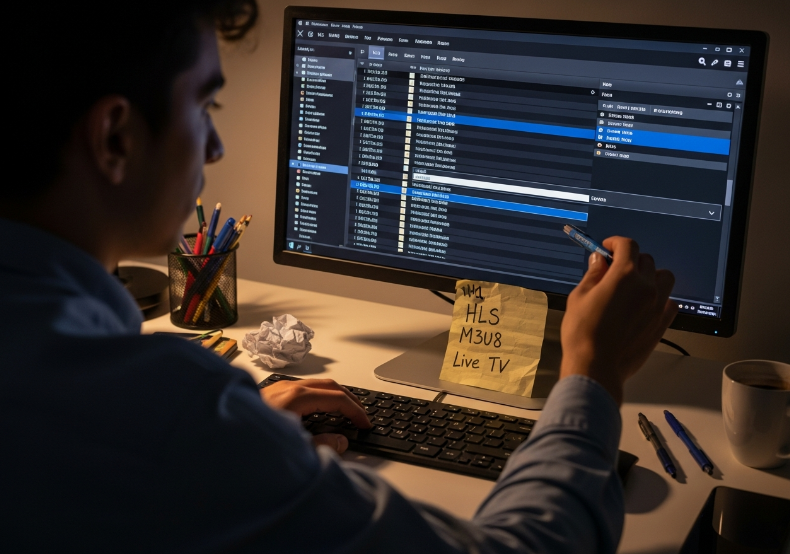
They often deliver M3U8 playlist files. Just drop a Playlist URL into VLC Media Player, and boom — you’re in.
Perfect for OTT setups with no sign-ins.
The big catch? These portals are super easy to use… but they disappear fast.
Private Portals Using MAC Address Authentication
Got a MAG Box or Set-top Box?
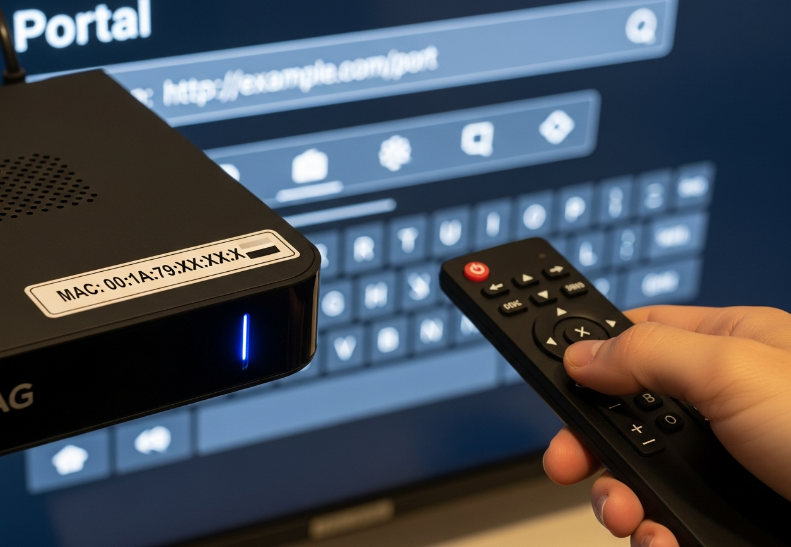
These portals need your Device ID (MAC address) to grant access.
They’re usually built on Stalker Middleware and loaded via Portal URLs.
You’ll get solid uptime and better channel quality, but…
Don’t even try freeloading — Authentication is locked down tight.
“We design private MAC-authenticated portals to minimize piracy and maximize stability. It’s tight security, but it’s what keeps our ecosystem clean.” — Diego Sun, System Architect @StarIptv
Multicast and IGMP-Based IPTV Systems
Multicast portals are made for local setups and enterprise-grade streaming. Here's how they work:
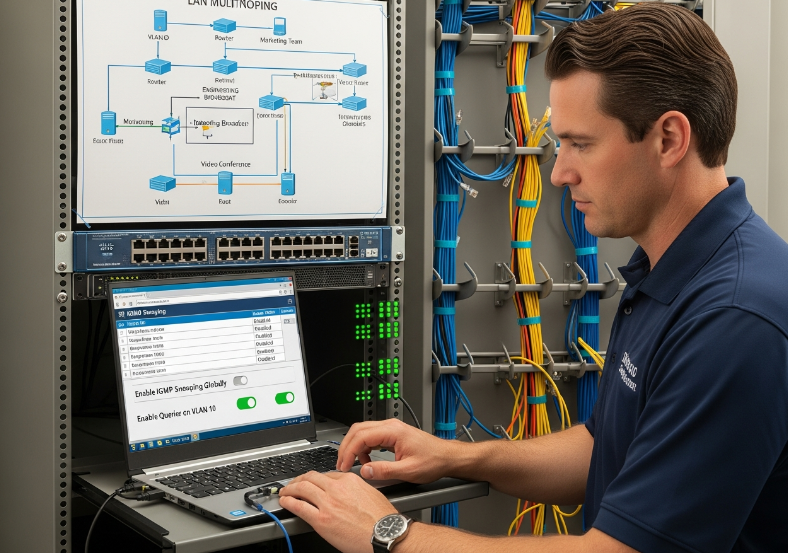
IGMP Snooping on routers controls who gets what.
Multicast Groups stream UDP packets across your Local Area Network — it’s like a broadcast tower inside your office.
Add in PIM (Protocol Independent Multicast) for complex routing.
Just remember: This isn’t cloud stuff — you’ll need proper network bandwidth planning.
Cloud-Based Platforms with MPEG-DASH Support
| Feature | MPEG-DASH Portal | HLS Portal | Local Portal |
|---|---|---|---|
| Bitrate Control | Adaptive | Static | N/A |
| CDN-Friendly | ✅ Yes | ✅ Yes | ❌ No |
| Cloud Hosting | ✅ Full Support | ⚠️ Partial | ❌ Local |
| Scalability | 🚀 Excellent | Moderate | Low |
Using Dynamic Adaptive Streaming over HTTP, these portals auto-adjust video encoding to your connection speed via MPD files. If you want global scalability with minimal hiccups, this is your lane.

XMLTV and W3U Metadata Portals
Different from the “watch now” style — these are all about program metadata.
You’ll get Electronic Program Guide (EPG) data, channel logos, and schedules in XML or W3U format.
Wanna overlay a schedule on Live TV? This is how.
Portals like these work as add-ons to M3U/M3U8 streams.
Not flashy, but they power features your users love — like knowing what’s on without guessing.

Hybrid Systems with Catch-up TV and Recording
Some platforms mix Live Streaming, DVR, and Replay into one sweet package:
Watch it live, pause it, or go back hours later — that’s Time-shifted TV.
Cloud Recording means users don’t need a local hard drive.
Businesses love this for OTT platforms — gives the feel of premium cable.
With Video on Demand baked in, it’s binge central.
Playback control? Total win for users who hate missing shows.

Best IPTV Portals for Home Use and Travel
Home Setups That Just Work
Smart TV + Stalker Portal:
Got a Smart TV? Some of the smoothest IPTV experiences come from built-in apps that support Stalker Portal logins. You pop in your MAC Address, connect to the portal, and boom — Live TV and VOD menus load like you paid for premium cable.M3U Playlist on Media Players:
If you’re running something like VLC or Kodi on your Smart TV or Android Box, importing an M3U Playlist is a breeze. Even better if your IPTV provider includes EPG data (TV guide info), so you can skip the guesswork when flipping channels.Home Internet Tip:
If things are laggy, don’t jump to conclusions. It’s often your own router choking. Toss in a VPN or set your DNS manually to speed things up. Bonus: some ISPs block IPTV portals by default — a VPN can save your weekend sports binge.
IPTV On The Go (No Headaches Edition)
Firestick + IPTV App Combo:
This one’s a Canadian classic for road warriors. Grab an IPTV app like Tivimate or IPTV Smarters, load your M3U Playlist, and you’re watching your usual Live TV lineup at a hotel in Montréal or a friend’s place in Kelowna. All you need is decent Wi-Fi and a cup of Timmies.Tablet or Phone Streaming:
Streaming IPTV on your smartphone or tablet is dead easy now. Some apps auto-detect playlist types. If you’ve got a Stalker Portal or custom Middleware, it usually works fine with MAC address pairing too — no keyboard needed.Use a VPN Abroad:
Some IPTV portals are geo-blocked. Fire up a VPN, switch your location back to Canada, and suddenly your full OTT streaming library is back in action. Works even in places where local content is restricted or just plain bad.
StarIPTV Tip From The Field
“We see a lot of users struggle with device compatibility, especially when they’re switching between home and travel setups,” says Tariq M., a senior engineer at StarIPTV.
“Our best advice? Stick to devices that support both M3U Playlist and Stalker Portal access. It gives you flexibility across networks, and lets you switch from your Smart TV to a Firestick without drama. Also — always save your portal URL and login details somewhere safe. You’d be shocked how many folks lose access mid-trip because of a reset.”
Quick Device Compatibility Table
| Device Type | Supports Stalker Portal | Supports M3U Playlist | Best for Travel | VPN Recommended |
|---|---|---|---|---|
| Smart TV | ✅ Yes | ✅ Yes | ❌ No | ⚠️ Sometimes |
| Firestick | ❌ No | ✅ Yes | ✅ Yes | ✅ Yes |
| Android Box | ✅ Yes | ✅ Yes | ⚠️ Maybe | ✅ Yes |
| Smartphone | ✅ Yes (via apps) | ✅ Yes | ✅ Yes | ✅ Yes |
Whether you’re chilling at home or bouncing between cities, having flexible IPTV access matters. Look for portals with solid M3U support, easy MAC activation, and don’t forget to pack your VPN. Even if the stream’s great, geo-blocks can ruin your mood fast.
Happy streaming, wherever you are. 🍁📺
From Sketchy to Stream-Ready: How to Verify IPTV Sources
Checking Portal URL and Playlist Integrity
Double-check every Stalker Portal URL with a trusted link checker.
Use a playlist parser to flag errors in M3U and M3U8 formats.
Watch for server status issues or shady redirects.
DNS resolution errors usually mean that server's toast.
A bad MAC address bind? That portal might be spoofed.
If your portal link keeps changing or breaking, it’s probably not worth trusting.
Verifying Authentication and Token Security
Don’t skip checking the API key—it’s the front gate to your IPTV stream.
Always confirm whether the session token expires properly.
Look for Xtream Codes setups that require login credentials—they’re usually more secure.
Scrutinize the authentication header and user agent for spoofing risks.
Stick with providers using encryption and secure security protocols.
“If the login feels too easy, it’s probably not legit,” says Samir R., senior security engineer at StarIPTV.
Testing M3U8 and PLS Files for Playback Errors
Codec mismatch or file extension drama? That’s how free IPTV burns you.
HLS stream errors pop up when your VLC media player can’t decode.
Watch for playback timeout messages — they scream bad buffering.
Transport stream issues? Might be a faulty segment.
PLS files often misbehave on newer devices.
Fix: Always match your codec compatibility with device specs before blaming the portal.
Monitoring Bandwidth and Latency Performance
Here’s the tech that’s killing or saving your stream — every second counts.
| Metric | Good Value | Warning Zone | What It Affects |
|---|---|---|---|
| Bitrate | >4000 kbps | <2000 kbps | Streaming quality |
| Ping | <30 ms | >100 ms | Stream load time |
| Packet Loss | 0% | >2% | Buffering |
| Jitter | <10 ms | >20 ms | Audio/video sync issues |
Keep that server response time low or expect stutters during prime time.
Evaluating CDN and Proxy Reliability
Content Delivery Networks spread the load—less buffering, more chill.
A busted edge server equals major outages in some regions.
If your proxy server routes through the wrong geolocation, expect blackouts.
Smart setups use load balancing to avoid meltdown during peak hours.
Check uptime history before trusting any caching source.
Pro tip: Want smoother streams? CDN + IP address filtering equals buttery playback.
Auditing EPG, JSON, and XMLTV Metadata Accuracy
Fire up your Electronic Program Guide and compare it with live content.
Cross-check your XMLTV file time zone and channel mapping — they often break.
Scrub your JSON format for broken tags or missing shows.
Missed a program? Bet your metadata synchronization is out of whack.
Program descriptions should update daily — stale data = lazy portal.
Accurate schedule data wins viewer trust. Garbage metadata? That’s a one-way ticket to uninstall town.
Conclusion
If you’ve ever hunted for free IPTV portals and felt like you were chasing ghosts, you’re not alone. Between unstable links, sketchy playlists, and tech that feels like it was coded in 2005, finding reliable options in 2026 can feel like trying to stream hockey on dial-up. This guide pulled together the stuff that actually works—daily-updated sites, playlist tips, and ways to clean up your streaming setup without losing your mind (or your connection).
Here's the quick-hit checklist to keep your setup solid:
Use verified playlists like M3U8 and XMLTV
Keep your VPN and DNS settings sharp
Test streams on a media player before pushing them live
Don’t sleep on MAC address access—it’s gold for device control
To wrap it up, as free IPTV portals and IPTV TV online platforms keep evolving, remember what Marshall McLuhan said: “The medium is the message.” It's not just what you're watching—it’s how you access it that shapes your whole experience. Stick with sources that respect your time, and your stream will thank you.
References
HTTP Live Streaming (HLS) – Apple Developer – https://developer.apple.com/streaming/
What is HTTP Live Streaming? | HLS Streaming – Cloudflare Learning Center – https://www.cloudflare.com/learning/video/what-is-http-live-streaming/
Dynamic Adaptive Streaming over HTTP (MPEG-DASH) – Wikipedia – https://en.wikipedia.org/wiki/Dynamic_Adaptive_Streaming_over_HTTP
What is MPEG-DASH? | HLS vs. DASH – Cloudflare – https://www.cloudflare.com/learning/video/what-is-mpeg-dash/
MPEG-DASH Standard Overview – MPEG – https://www.mpeg.org/standards/MPEG-DASH/
Cloudflare Stream – Stream Live Video – https://developers.cloudflare.com/stream/stream-live/
IPTV Smarters – Official Player Site – https://iptvsmartersplus.com/
VLC Media Player – Official VideoLAN Site – https://www.videolan.org/vlc/
OBS Studio – Open Broadcaster Software – https://obsproject.com/
OBS Studio – Overview – https://en.wikipedia.org/wiki/OBS_Studio
TP-Link Support – Configure IGMP Snooping for IPTV – https://www.tp-link.com/us/support/faq/2223/
IGMP Snooping for Multicast Networks – Juniper Documentation – https://www.juniper.net/documentation/us/en/software/junos/multicast/topics/topic-map/mcast-igmp-snooping.html
How to Setup Xtream Codes on Firestick & Android TV (2026) – https://troypoint.com/xtream-codes-api/
Finding solid iptv tv online sources in 2026 feels a bit like panning for gold — there’s a ton of noise out there, and not all that glitters is worth your time. For folks running IPTV businesses or sourcing portals for resale, you’ve probably hit the wall more than once with sketchy links, downed streams, or content that disappears overnight.
Truth is, it’s tough keeping up with daily updates while managing client expectations. You need reliability, not rabbit holes. That's what this guide is about — real solutions for real operators who don’t have hours to waste chasing dead-end links.
One IPTV buyer from Toronto told us: "We used to check 20 sources a day just to keep three stable. It was burning out the team." That’s not sustainable — and it shouldn’t be normal.
We spoke with a senior engineer at StarIPTV, who put it plainly: “If it’s not stable, it’s not scalable.” Simple, but bang on.
So, if you're tired of the guesswork and want IPTV sources you can actually build on, this guide is your shortcut to stream-ready, business-tested portals. Let’s cut through the noise.
Daily Updated IPTV Sites You Can Actually Rely On
HLS and MPEG-DASH Portals with Stable CDN Support
HLS and MPEG-DASH are the cool kids of streaming — both use Adaptive Bitrate to give you smooth playback, even if your internet decides to act up. (developer.apple.com)
A Content Delivery Network (CDN) like Cloudflare helps get those video segments to you fast, no matter where you're chilling. (developers.cloudflare.com)
Edge Servers close to your location cut down on buffering — which, let’s be real, nobody has time for.
The magic lies in the manifest file — it tells your device which version of the stream to pull.
Want fewer headaches? Stick with portals that mention DASH or HLS + a CDN like Cloudflare. That’s the recipe.
M3U and M3U8 Playlists from Verified Portal URLs
Grab a verified playlist file in M3U/M3U8 format.
Paste the remote URL into IPTV Smarters or VLC Player. (iptvsmartersplus.com)
If the channel list loads cleanly, you’re golden.
Check for working stream URLs by clicking around — broken links are a red flag.
Avoid sketchy lists; look for portals that update daily and clearly tag channels.
“We review over 10,000 M3U8s weekly — 90% are garbage. Look for clean formatting and responsive stream URLs.” — Leo Renard, Senior Engineer @ StarIPTV
XMLTV and EPG Data Sources for Accurate Scheduling
Accurate Electronic Program Guide (EPG) data means your shows start when they should, not 10 minutes late.
Here’s how EPG info stays sharp:
Pulled via XML Format from a reliable remote URL
Cross-referenced with Channel ID and Timezone
Enriched by metadata like episode names and program info
Auto-synced daily by IPTV apps with TV Guide features
Pro Tip: Use portals that bundle both playlist and EPG together. Way less hassle.
Low-Latency Live Streaming via HTTP and RTMP
RTMP (Real-Time Messaging Protocol) may be old school, but it’s still a beast for low-delay feeds.
HTTP streaming using tools like OBS Studio and Media Servers keeps the flow steady. (obsproject.com)
Tweak the bitrate and video encoding for better results on your TCP/IP connection.
If your stream takes longer than 2 seconds to load — yeah, you’ve got a latency problem.
Streaming Protocol Comparison Table
| Protocol | Average Latency | Used In | Buffer Control |
|---|---|---|---|
| RTMP | ~2s | Live Sports, News | Good |
| HTTP | ~5s | General IPTV | Excellent |
| DASH | ~6s | VOD, Movies | Great |
Bandwidth and DNS Optimization for Daily IPTV Updates
Check your network throughput — less than 10 Mbps? Expect buffering.
Swap to a faster DNS resolver (like 1.1.1.1 or 8.8.8.8).
Kill off ISP throttling with a VPN — works wonders for IPTV.
Clear your cache to improve routing decisions and reduce packet loss.
Every day counts with IPTV. A slow line today? No stream tomorrow.
Authentication and Token Management in Public IPTV Portals
Many portals use MAC Address, User Agent, or Session Token for access — think of it as a backstage pass.
If the token expires, poof — no stream. That’s why API keys and smart middleware like Xtream Codes matter. (vsys.host)
Some systems use encrypted tokens, making them safer but trickier to reuse.
Public portals often rotate their tokens or Stalker Portals, so automation tools help stay synced.
Rule of thumb: If the portal requires authentication, treat it like temporary gold — bookmark it, and refresh it daily.
5 Ways to Access IPTV TV Online Without Paying a Cent
Browser-Based HTTP Streaming with JSON Playlists
Fast, no-install way to stream live shows.
Works straight from any Web browser—Chrome, Firefox, you name it.
Uses HTTP protocol and JSON format from open API endpoints.
Often compatible with embedded JavaScript video players.
Just plug the live stream URL into a compatible player and go.
Works well on laptops, desktops, even Chromebooks.
Tip: Bookmark your playlist link for one-click future access.
Free RTSP and UDP Feeds on Media Player Platforms
1. Open VLC Media Player, and hit Open Network Stream.
2. Paste your free RTSP or UDP feed URL.
3. Check the stream for latency and buffering issues.
4. Tweak port and caching settings if the stream stutters.
5. For Multicast streams, make sure your network supports the Streaming protocol.
6. Bonus tip: UDP tends to be faster, but a bit more fragile on mobile networks.
📌 "We've seen RTSP feeds outperform others in raw speed when used properly," says Elena D., lead network architect at StarIptv.
Smartphone and Tablet Access Using M3U8 Files
This one’s perfect for on-the-go binging.
Grab an M3U8 playlist and import it into your favorite IPTV app.
Most apps on Android or iOS work best with the HLS protocol.
Be mindful of mobile data usage—streams eat it up fast.
Use Wi-Fi when you can to avoid buffering on weaker networks.
Streaming links often update, so always check for refreshed versions.
Want smooth playback? Set your app to auto-adjust resolution based on your connection. Works like magic.
VPN and Proxy Techniques for Unlocking Free Portals
Using a VPN or Proxy server is your golden ticket when portals are blocked in your region.
Steps to break free from geo-blocking:
Install a trusted VPN with multiple server locations.
Connect to a country where the IPTV portal works.
Load the site—boom, no more IP address restrictions.
Ensure the encryption doesn’t slow your stream (test with a free one first).
For advanced users: try tunneling through SOCKS5 proxies for better speed.
This is a favorite trick among IPTV veterans who don’t want to miss their regional sports or shows.
Gateway and IP Address Configuration for Open IPTV Access
When you're dealing with smart devices or custom setups, tweaking your gateway and IP address can unlock portals others miss.
| Device Type | Key Setting | Impact on Access | Risk Level |
|---|---|---|---|
| Router | DNS Settings | Bypasses blocklists | Low |
| Android Box | Port Forwarding | Opens access ports | Medium |
| Streaming Stick | MAC Address Clone | Mimics verified devices | High |
Check your subnet mask to avoid IP conflicts.
Always back up your router configuration before changes.
Be cautious: incorrect tweaks can drop your whole network.
This method’s a bit techy, but powerful for users needing persistent access to free IPTV feeds.
Unstable Links? Try These Reliable IPTV TV Online Sources
Reducing Latency Through CDN and Multicast Networks
Boost speed with Content Delivery Network (CDN) integration.
Use IGMP Snooping to prevent unnecessary traffic on switches. (tp-link.com)
Deploy Edge Servers close to viewers for lower propagation delay.
Implement Anycast routing for smart source selection.
Consider PIM-SM multicast routing to push streams smoothly across networks.
💬 “Latency eats user experience alive. Smart routing and edge strategy save the show.” – Daryl, Network Engineer at StarIptv
Fixing Buffering Issues with Bandwidth Management
Enable Quality of Service (QoS) on your router to prioritize IPTV traffic.
Use Traffic Shaping to allocate consistent Bitrate streams.
Watch out for Jitter and Packet Prioritization settings — they’re tiny tweaks with big results.
If your ISP is throttling you, a VPN might smooth things out.
Manage Bandwidth Allocation to prevent Network Congestion on peak hours.
🚨 Pro Tip: Buffering isn’t just your connection — it's often a scheduling and allocation problem.
RTMP and HLS Stability Testing Methods
Split into segments like your stream — here's the smart way to test:
Real-Time Messaging Protocol (RTMP) needs tight latency control. Run stream health checks using FFmpeg.
HTTP Live Streaming (HLS) thrives with proper segmenting — watch your M3U8 Manifest File like a hawk.
Run latency testing across time zones to catch inconsistencies.
Log segment errors and analyze performance drops using automated tools.
🔍 Small misses in segment timing? They pile up fast and wreck viewer flow.
Session ID and User Agent Optimization
This one’s all about how you show up to the stream party.
Use spoofed User Agent strings in your API Request to mimic supported devices.
Pass valid Session IDs through Middleware to avoid getting kicked.
Maintain MAC Address registration via Stalker Portal protocols.
Keep Cookie Persistence on — you want the portal to “remember” you.
Tweak HTTP Headers for smoother Authentication and fewer login loops.
🎯 Look like a legit box, act like a legit box — you’ll avoid tons of interruptions.
Router and Set-top Box Configuration for Smooth Streaming
⚙️ Device & Network Settings Matrix
| Device Type | Key Setting | Impact Level | Notes |
|---|---|---|---|
| Android TV | Hardware Decoding | High | Enables 4K without lag |
| Mag Box | Port Forwarding | Medium | Reduces firewall blocks |
| Home Router | Static IP, MTU Size | High | Ensures consistent routing |
| Streaming Stick | Firmware Updates | Medium | Fixes compatibility issues |
💡Use a wired Ethernet Cable whenever you can. Wi-Fi is nice, but it’s a gamble under load.
Playlist Refresh Strategies Using Token Validation
Short bursts of clarity — here’s how to stop expired links from ruining the stream:
Schedule a Cron Job to check for Bearer Token expiration.
Use scripting to auto-parse EPG files and refresh Dynamic Links.
Implement URL Expiration warnings in your UI if possible.
Cache Clearing is your unsung hero — too much old data breaks everything.
Rely on proper Parsing methods for M3U/M3U8 to avoid incomplete loads.
⏱️ Expired tokens are silent killers — automate like your uptime depends on it (because it does).
DNS and Gateway Failover for Continuous Live Streaming
Sometimes the best stream is your backup stream. Here's how to keep it rolling:
Switch to Smart DNS for faster location-based resolution.
Set up Load Balancing across your stream servers to avoid overloads.
Define Redundancy Rules using Public DNS and failover IP Address paths.
Always include a Backup Server entry in your Routing Table.
Watch for Connection Timeout events and trigger Gateway switching scripts.
🛠️ Failover isn't luxury — it's survival. One minute down could cost thousands of eyeballs.
Types of IPTV Portals for Online Streaming
Public HLS Portals with M3U Playlists
Want Live TV without a login? These are your go-to:
Use HTTP Live Streaming (HLS) for smooth, buffer-lite streaming.
They often deliver M3U8 playlist files. Just drop a Playlist URL into VLC Media Player, and boom — you’re in.
Perfect for OTT setups with no sign-ins.
The big catch? These portals are super easy to use… but they disappear fast.
Private Portals Using MAC Address Authentication
Got a MAG Box or Set-top Box?
These portals need your Device ID (MAC address) to grant access.
They’re usually built on Stalker Middleware and loaded via Portal URLs.
You’ll get solid uptime and better channel quality, but…
Don’t even try freeloading — Authentication is locked down tight.
“We design private MAC-authenticated portals to minimize piracy and maximize stability. It’s tight security, but it’s what keeps our ecosystem clean.” — Diego Sun, System Architect @StarIptv
Multicast and IGMP-Based IPTV Systems
Multicast portals are made for local setups and enterprise-grade streaming. Here's how they work:
IGMP Snooping on routers controls who gets what.
Multicast Groups stream UDP packets across your Local Area Network — it’s like a broadcast tower inside your office.
Add in PIM (Protocol Independent Multicast) for complex routing.
Just remember: This isn’t cloud stuff — you’ll need proper network bandwidth planning.
Cloud-Based Platforms with MPEG-DASH Support
| Feature | MPEG-DASH Portal | HLS Portal | Local Portal |
|---|---|---|---|
| Bitrate Control | Adaptive | Static | N/A |
| CDN-Friendly | ✅ Yes | ✅ Yes | ❌ No |
| Cloud Hosting | ✅ Full Support | ⚠️ Partial | ❌ Local |
| Scalability | 🚀 Excellent | Moderate | Low |
Using Dynamic Adaptive Streaming over HTTP, these portals auto-adjust video encoding to your connection speed via MPD files. If you want global scalability with minimal hiccups, this is your lane.
XMLTV and W3U Metadata Portals
Different from the “watch now” style — these are all about program metadata.
You’ll get Electronic Program Guide (EPG) data, channel logos, and schedules in XML or W3U format.
Wanna overlay a schedule on Live TV? This is how.
Portals like these work as add-ons to M3U/M3U8 streams.
Not flashy, but they power features your users love — like knowing what’s on without guessing.
Hybrid Systems with Catch-up TV and Recording
Some platforms mix Live Streaming, DVR, and Replay into one sweet package:
Watch it live, pause it, or go back hours later — that’s Time-shifted TV.
Cloud Recording means users don’t need a local hard drive.
Businesses love this for OTT platforms — gives the feel of premium cable.
With Video on Demand baked in, it’s binge central.
Playback control? Total win for users who hate missing shows.
Best IPTV Portals for Home Use and Travel
Home Setups That Just Work
Smart TV + Stalker Portal:
Got a Smart TV? Some of the smoothest IPTV experiences come from built-in apps that support Stalker Portal logins. You pop in your MAC Address, connect to the portal, and boom — Live TV and VOD menus load like you paid for premium cable.M3U Playlist on Media Players:
If you’re running something like VLC or Kodi on your Smart TV or Android Box, importing an M3U Playlist is a breeze. Even better if your IPTV provider includes EPG data (TV guide info), so you can skip the guesswork when flipping channels.Home Internet Tip:
If things are laggy, don’t jump to conclusions. It’s often your own router choking. Toss in a VPN or set your DNS manually to speed things up. Bonus: some ISPs block IPTV portals by default — a VPN can save your weekend sports binge.
IPTV On The Go (No Headaches Edition)
Firestick + IPTV App Combo:
This one’s a Canadian classic for road warriors. Grab an IPTV app like Tivimate or IPTV Smarters, load your M3U Playlist, and you’re watching your usual Live TV lineup at a hotel in Montréal or a friend’s place in Kelowna. All you need is decent Wi-Fi and a cup of Timmies.Tablet or Phone Streaming:
Streaming IPTV on your smartphone or tablet is dead easy now. Some apps auto-detect playlist types. If you’ve got a Stalker Portal or custom Middleware, it usually works fine with MAC address pairing too — no keyboard needed.Use a VPN Abroad:
Some IPTV portals are geo-blocked. Fire up a VPN, switch your location back to Canada, and suddenly your full OTT streaming library is back in action. Works even in places where local content is restricted or just plain bad.
StarIPTV Tip From The Field
“We see a lot of users struggle with device compatibility, especially when they’re switching between home and travel setups,” says Tariq M., a senior engineer at StarIPTV.
“Our best advice? Stick to devices that support both M3U Playlist and Stalker Portal access. It gives you flexibility across networks, and lets you switch from your Smart TV to a Firestick without drama. Also — always save your portal URL and login details somewhere safe. You’d be shocked how many folks lose access mid-trip because of a reset.”
Quick Device Compatibility Table
| Device Type | Supports Stalker Portal | Supports M3U Playlist | Best for Travel | VPN Recommended |
|---|---|---|---|---|
| Smart TV | ✅ Yes | ✅ Yes | ❌ No | ⚠️ Sometimes |
| Firestick | ❌ No | ✅ Yes | ✅ Yes | ✅ Yes |
| Android Box | ✅ Yes | ✅ Yes | ⚠️ Maybe | ✅ Yes |
| Smartphone | ✅ Yes (via apps) | ✅ Yes | ✅ Yes | ✅ Yes |
Whether you’re chilling at home or bouncing between cities, having flexible IPTV access matters. Look for portals with solid M3U support, easy MAC activation, and don’t forget to pack your VPN. Even if the stream’s great, geo-blocks can ruin your mood fast.
Happy streaming, wherever you are. 🍁📺
From Sketchy to Stream-Ready: How to Verify IPTV Sources
Checking Portal URL and Playlist Integrity
Double-check every Stalker Portal URL with a trusted link checker.
Use a playlist parser to flag errors in M3U and M3U8 formats.
Watch for server status issues or shady redirects.
DNS resolution errors usually mean that server's toast.
A bad MAC address bind? That portal might be spoofed.
🎯 If your portal link keeps changing or breaking, it’s probably not worth trusting.
Verifying Authentication and Token Security
Don’t skip checking the API key—it’s the front gate to your IPTV stream.
Always confirm whether the session token expires properly.
Look for Xtream Codes setups that require login credentials—they’re usually more secure.
Scrutinize the authentication header and user agent for spoofing risks.
Stick with providers using encryption and secure security protocols.
“If the login feels too easy, it’s probably not legit,” says Samir R., senior security engineer at StarIPTV.
Testing M3U8 and PLS Files for Playback Errors
Codec mismatch or file extension drama? That’s how free IPTV burns you.
HLS stream errors pop up when your VLC media player can’t decode.
Watch for playback timeout messages — they scream bad buffering.
Transport stream issues? Might be a faulty segment.
PLS files often misbehave on newer devices.
Fix: Always match your codec compatibility with device specs before blaming the portal.
Monitoring Bandwidth and Latency Performance
Here’s the tech that’s killing or saving your stream — every second counts.
| Metric | Good Value | Warning Zone | What It Affects |
|---|---|---|---|
| Bitrate | >4000 kbps | <2000 kbps | Streaming quality |
| Ping | <30 ms | >100 ms | Stream load time |
| Packet Loss | 0% | >2% | Buffering |
| Jitter | <10 ms | >20 ms | Audio/video sync issues |
⏱️ Keep that server response time low or expect stutters during prime time.
Evaluating CDN and Proxy Reliability
Content Delivery Networks spread the load—less buffering, more chill.
A busted edge server equals major outages in some regions.
If your proxy server routes through the wrong geolocation, expect blackouts.
Smart setups use load balancing to avoid meltdown during peak hours.
Check uptime history before trusting any caching source.
💡 Pro tip: Want smoother streams? CDN + IP address filtering equals buttery playback.
Auditing EPG, JSON, and XMLTV Metadata Accuracy
Fire up your Electronic Program Guide and compare it with live content.
Cross-check your XMLTV file time zone and channel mapping — they often break.
Scrub your JSON format for broken tags or missing shows.
Missed a program? Bet your metadata synchronization is out of whack.
Program descriptions should update daily — stale data = lazy portal.
🧠 Accurate schedule data wins viewer trust. Garbage metadata? That’s a one-way ticket to uninstall town.
Conclusion
If you’ve ever hunted for free IPTV portals and felt like you were chasing ghosts, you’re not alone. Between unstable links, sketchy playlists, and tech that feels like it was coded in 2005, finding reliable options in 2026 can feel like trying to stream hockey on dial-up. This guide pulled together the stuff that actually works—daily-updated sites, playlist tips, and ways to clean up your streaming setup without losing your mind (or your connection).
Here's the quick-hit checklist to keep your setup solid:
Use verified playlists like M3U8 and XMLTV
Keep your VPN and DNS settings sharp
Test streams on a media player before pushing them live
Don’t sleep on MAC address access—it’s gold for device control
To wrap it up, as free IPTV portals and IPTV TV online platforms keep evolving, remember what Marshall McLuhan said: “The medium is the message.” It's not just what you're watching—it's how you access it that shapes your whole experience. Stick with sources that respect your time, and your stream will thank you.
References
HTTP Live Streaming (HLS) – Apple Developer – https://developer.apple.com/streaming/
What is HTTP Live Streaming? | HLS Streaming – Cloudflare Learning Center – https://www.cloudflare.com/learning/video/what-is-http-live-streaming/
Dynamic Adaptive Streaming over HTTP (MPEG-DASH) – Wikipedia – https://en.wikipedia.org/wiki/Dynamic_Adaptive_Streaming_over_HTTP
What is MPEG-DASH? | HLS vs. DASH – Cloudflare – https://www.cloudflare.com/learning/video/what-is-mpeg-dash/
MPEG-DASH Standard Overview – MPEG – https://www.mpeg.org/standards/MPEG-DASH/
Cloudflare Stream – Stream Live Video – https://developers.cloudflare.com/stream/stream-live/
IPTV Smarters – Official Player Site – https://iptvsmartersplus.com/
VLC Media Player – Official VideoLAN Site – https://www.videolan.org/vlc/
OBS Studio – Open Broadcaster Software – https://obsproject.com/
OBS Studio – Overview – https://en.wikipedia.org/wiki/OBS_Studio
TP-Link Support – Configure IGMP Snooping for IPTV – https://www.tp-link.com/us/support/faq/2223/
IGMP Snooping for Multicast Networks – Juniper Documentation – https://www.juniper.net/documentation/us/en/software/junos/multicast/topics/topic-map/mcast-igmp-snooping.html
How to Setup Xtream Codes on Firestick & Android TV (2026) – https://troypoint.com/xtream-codes-api/
FAQ
How can I access free iptv tv online streams in Canada?
Free IPTV is out there — you just need to know where to look. Stick with public HTTP or HLS portals using M3U8 or JSON playlists. Use a VPN and set up proper DNS settings on your smartphone, tablet, or router for better access.
What should I check if IPTV links aren’t working?
See if the Portal URL is still active
Make sure your bandwidth can handle the stream
Try a player that works with M3U8 or RTSP
Switch to a different device like a smart TV or streaming stick
Check VPN, proxy, or gateway settings
Which formats work best for stable iptv tv online playback?
M3U8: Good for live streams with adaptive quality
XMLTV: Helpful for channel guides
PLS: Simple and lightweight for streaming
JSON: Found in custom setups
W3U: Easy to load, basic info only
What’s the difference between public and private IPTV portals?
Public portals are easy to find but often unstable. Private portals need logins like a MAC address or a secure token. These usually give smoother live streaming and options like multi-screen and catch-up TV.
How do I test iptv tv online streams for quality?
Use a media player that shows buffering or latency
Check stream bitrate and performance
Watch how the user agent and session ID behave
Try streaming on a set-top box or Android box
Check uptime from different IP addresses
Is it safe to use free IPTV playlists from the internet?
It depends on the source. Don’t use playlists that ask for odd logins. Look for secure portal metadata and keep an eye on token use, especially on smart TVs or when using a router.
What are the most useful iptv tv online features for families?
Parental control to block certain content
Catch-up TV to rewatch missed shows
Multi-screen support across rooms
Recording to save live content
EPG guides for easy navigation
Can I watch IPTV on the go while travelling?
Yep. Use a VPN and stream on your tablet or smartphone. Lightweight files like M3U8 make things smooth, as long as your bandwidth holds up.
How do I reduce buffering in iptv tv online streams?
Use a strong router with enough bandwidth
Pick IPTV sources with CDN support
Stick with HLS or MPEG-DASH protocols
Tweak your DNS for faster load times
Avoid slow proxy and gateway connections
Do I need special hardware for high-quality IPTV?
No, but using a set-top box, streaming stick, or even an Android box helps. These support smoother playback and features like recording and video on demand.