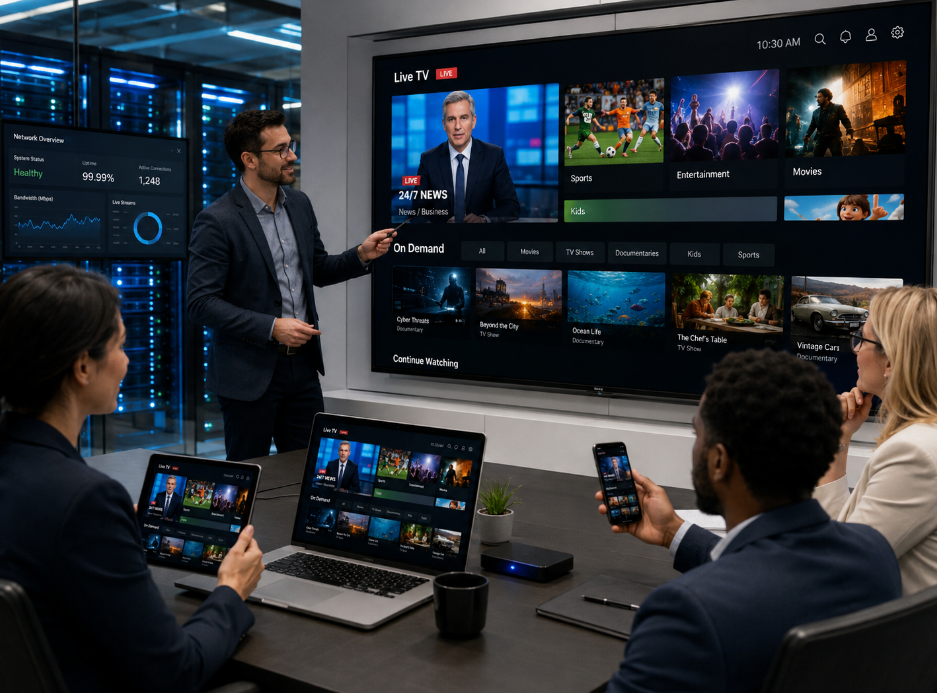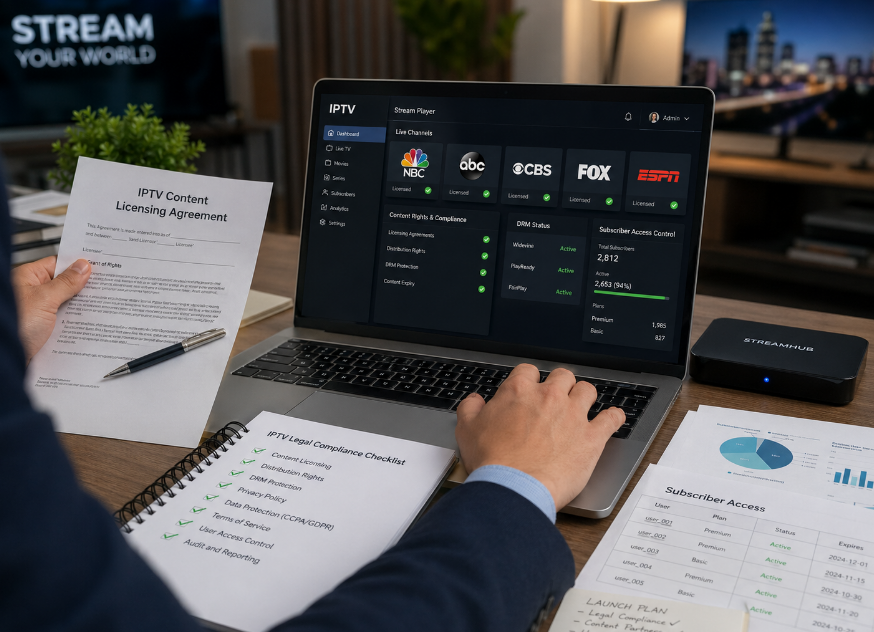
Is IPTV legal in the U.S.? Yes—when it’s licensed. An ıptv stream player is just tech, not a pirate ship; the trouble starts when content rights are skipped.
Shady feeds and murky contracts can torch a brand overnight. Secure distribution rights, guard user data, and your IPTV play shifts from gamble to grounded growth.
Quick Digest for ıptv stream player Legality
➔ Secure Content Rights: Obtain licensing agreements from broadcasters or aggregators.
➔ Authorized Platforms: Distinguish legal set-top boxes/software from unlicensed feeds.
➔ DRM & Encryption: Deploy digital rights management and access controls to block piracy.
➔ Regional Compliance: Enforce geo-blocking, FCC rules, privacy laws, and accessibility standards.
Is IPTV Stream Player Actually Legal?
Streaming talk can get messy fast. People hear ıptv, stream, and player tossed around and assume it’s all risky business. Truth is, an ıptv stream player is just a tool. The legal side depends on content rights, not the tech itself. Let’s break it down in plain English.
Understanding IPTV Stream Player Definitions in US Law
Under US law, the definition of an IPTV or stream player focuses on function, not content. The legal framework separates technology from copyrighted media.
Technology Layer
Device or app acting as a media player
Receives digital signals
Decodes video streams
Classified as lawful consumer electronics or software
Content Layer
Governed by copyright
Public performance rights
Distribution permissions
Controlled by licensing contracts
Regulation Layer
Federal statutes (Copyright Act)
FCC oversight in specific broadcast contexts
An ıptv stream player is legal when it operates within this structure. The issue starts when a provider streams copyrighted channels without authorization. That’s where legality flips.
Set-Top Boxes vs. Software-Only Stream Players
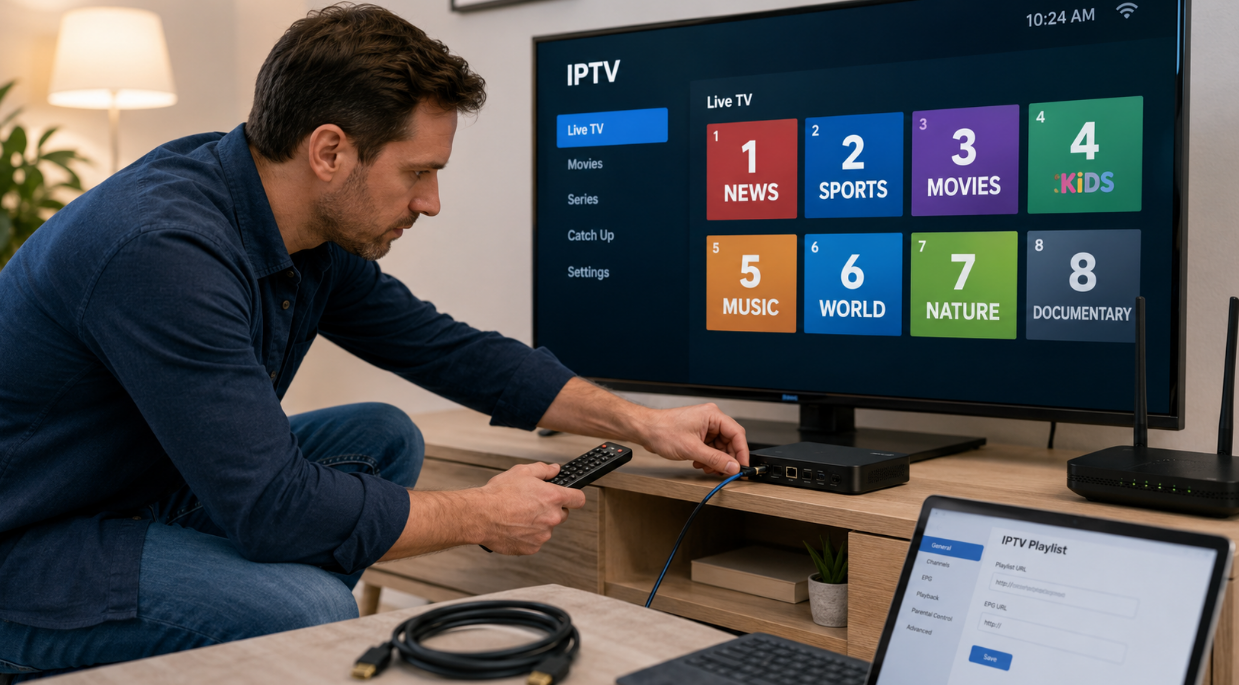
Both hardware and apps can run an ıptv stream player, but the setup differs.
Set-top box
Physical hardware
Connects to TV via HDMI
May include built-in streaming device firmware
Software-based IPTV player
Installed as an application
Runs on smart TVs, phones, or tablets
Uses internet protocols for delivery
Here’s the key: legality depends on the source of the stream. A box isn’t illegal by default. A software stream player isn’t shady just because it’s an app. If the IPTV service carries licensed feeds, both models are fine.
That’s why brands like Startiptv focus on verified streams and transparent usage terms, keeping the ıptv stream player experience clean and compliant.
How Licensing Agreements Impact IPTV Legality
Licensing sits at the core of legality.
Intellectual property ownership
Broadcasters hold primary content rights
Studios retain distribution rights
Licensing agreement terms
Geographic limits
Device restrictions
Subscriber caps
Legal compliance checkpoints
Written contracts
Royalty structures
Clear terms of service
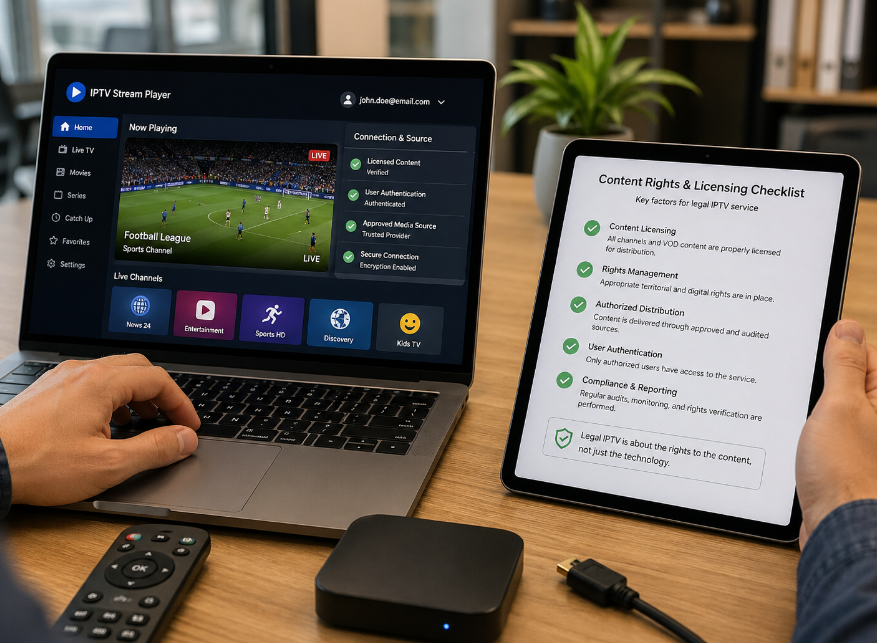
The U.S. Copyright Office explains that online service providers must follow structured copyright procedures, including designated-agent and notice-handling requirements where applicable.
An ıptv stream player becomes compliant when operators secure valid licensing agreements before streaming via CDN or servers. Without that paper trail, risk climbs fast.
DRM and Content Encryption: Staying Compliant
Security tech matters more than people think.
• DRM tools control playback access
• Content encryption blocks interception
• Anti-piracy systems track misuse
A compliant IPTV setup usually works like this:
User logs into the ıptv stream player.
Authentication checks subscriber credentials.
Encrypted stream unlocks through digital rights management keys.
Playback runs inside a protected media player environment.
Strong security measures protect intellectual property and prove good-faith compliance. Startiptv integrates authentication and encrypted delivery so the ıptv stream player runs within accepted copyright protection standards.
Bottom line? The tool isn’t the villain. The license is.
Legal Frameworks Governing IPTV in USA
IPTV in the United States runs on freedom of content, but it also runs on rules. If you’re building or using an ıptv stream player, knowing the legal side keeps your service smooth, safe, and stress-free.
Copyright Laws and Content Rights Enforcement
When an ıptv stream player delivers movies or live channels, it touches core Copyright and Intellectual property rules. Compliance flows like this:
Licensing Framework
Securing agreements with Content owners
Territorial rights
Platform-specific distribution
Managing renewal timelines
Enforcement Mechanisms
Responding to DMCA notices
Takedown procedures
Counter-notice handling
Monitoring against Piracy
Risk Control
Preventing Infringement
Auditing stream sources inside the IPTV player system
An ıptv stream player must only stream licensed feeds. Even a slick IPTV stream app can face shutdown if rights are ignored. Platforms like Startiptv align their ıptv stream player setup with formal licensing workflows, keeping distribution clean and accountable.
Broadcasting Regulations for Live TV Feeds
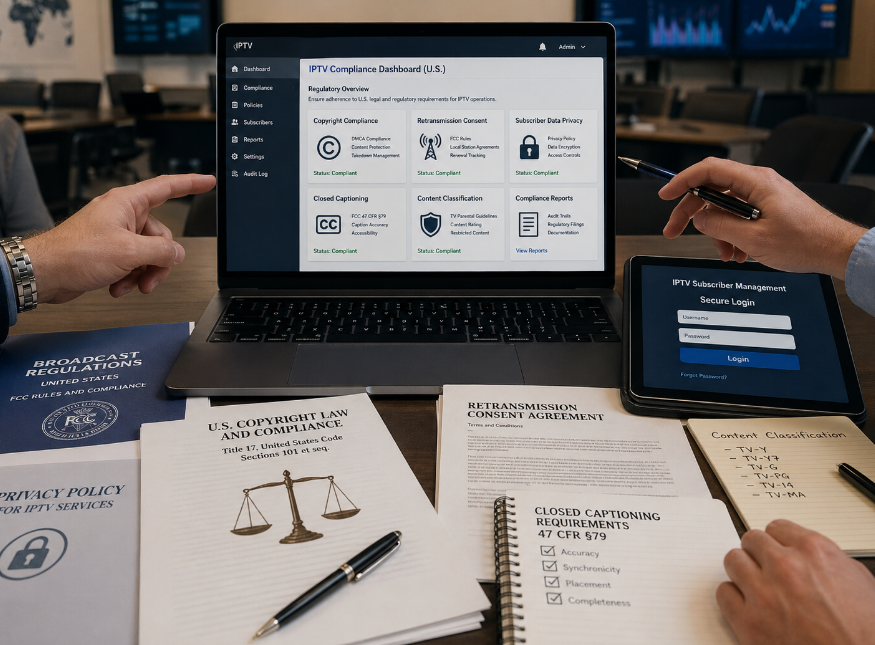
Live content adds another layer. A single ıptv stream player streaming local news may trigger FCC oversight.
Broadcasting Compliance
Federal Regulation
Technical transmission standards
Signal integrity across Spectrum
Public obligations
Serving Public interest
Licensing Controls
Station-level Licensing
Market-based authorization
Retransmission consent
Agreements with broadcasters
Revenue-sharing terms
If your IPTV stream player handles live retransmission, Retransmission consent is not optional. A casual setup won’t cut it. Proper contracts keep the ıptv stream player legal and stable.
Data Privacy Requirements for Subscriber Management Systems
An ıptv stream player collects more than clicks. It processes Subscriber data, login records, and viewing habits.
Data privacy Governance
Classification of Personal information
Defined Data protection policies
Legal Standards
State laws like CCPA
Clear user Consent flows
Security measures
Encryption protocols
Access control audits
IPTV stream player dashboards must restrict internal access. Good practice means limiting data to service needs only. That’s how Data privacy becomes daily discipline, not just fine print.
Accessibility Standards and Content Classification
Accessibility is not a side feature in an ıptv stream player. It’s expected.
Accessibility Compliance
Closed captioning
Audio description
Interface support for Disability access under ADA
Content classification
Age-based Rating systems
Clear Content classification tags
Parental Controls
PIN restrictions
EPG-based filtering
A modern IPTV stream player should make captions easy to toggle and ratings easy to understand. When an ıptv stream player respects Accessibility and federal guidance, users trust it. That trust keeps platforms like Startiptv competitive in a tightly regulated U.S. market.
3 Key Regulations for IPTV Stream Player Use
An ıptv stream player makes watching live TV online feel simple, but the rules behind it are anything but casual. From content rights to regional locks and accessibility, every IPTV stream player, IPTV player app, and streaming media player operates inside strict legal boundaries.
Copyright Laws
When running an ıptv stream player, legal control starts with ownership and protection.
Intellectual Property Control
Rights verification
Confirm broadcaster ownership
Validate licensed distributors
Monitor copyright infringement
Track suspicious traffic spikes
Flag unauthorized streaming
Digital Protection Systems
Apply digital rights management
License keys for each IPTV player
Session-based authentication
Deploy encryption
Secure CDN paths
Tokenized playback links
Enforcement Framework
Respond to DMCA notices
Evaluate fair use doctrine limits
Act against content piracy
Without these layers, an IPTV stream player can quickly become a hotspot for legal trouble.
Regional Licensing
An ıptv stream player must respect borders, even online.
Broadcasting Rights Allocation
Review licensing agreements
Territory clauses
Duration limits
Define content distribution scope
Territorial Controls
Enforce geo-blocking
IP detection
GPS validation
Apply subscriber checks
Account residency
Payment region match
Market Protection
Honor market exclusivity
Follow international law
Restrict conflicting regional content
Streaming outside approved zones through an IPTV stream player can breach contracts fast.
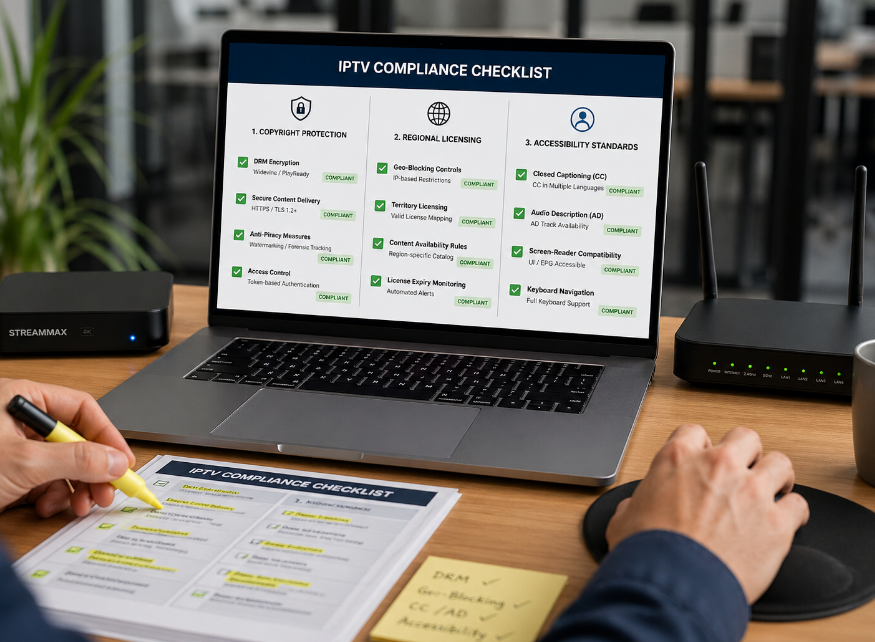
Accessibility Standards
A modern ıptv stream player should feel open to everyone.
Disability Access Foundations
Align with ADA compliance
Follow national regulatory mandates
Media Support Features
Enable closed captioning
Real-time sync
Custom font scaling
Provide audio descriptions
Secondary audio tracks
Scene narration
Interface and Assistive Integration
Screen-reader ready navigation
Compatibility with assistive technology
Focus on inclusive design and smoother user experience
A good streaming media player isn’t just about sharp video. It respects viewers, laws, and access rights every single time.
Licensed vs. Pirated IPTV Services
Picking an ıptv stream player sounds simple, yet the type of service behind it changes everything. Your iptv stream, stream player stability, and even legal safety depend on that choice.
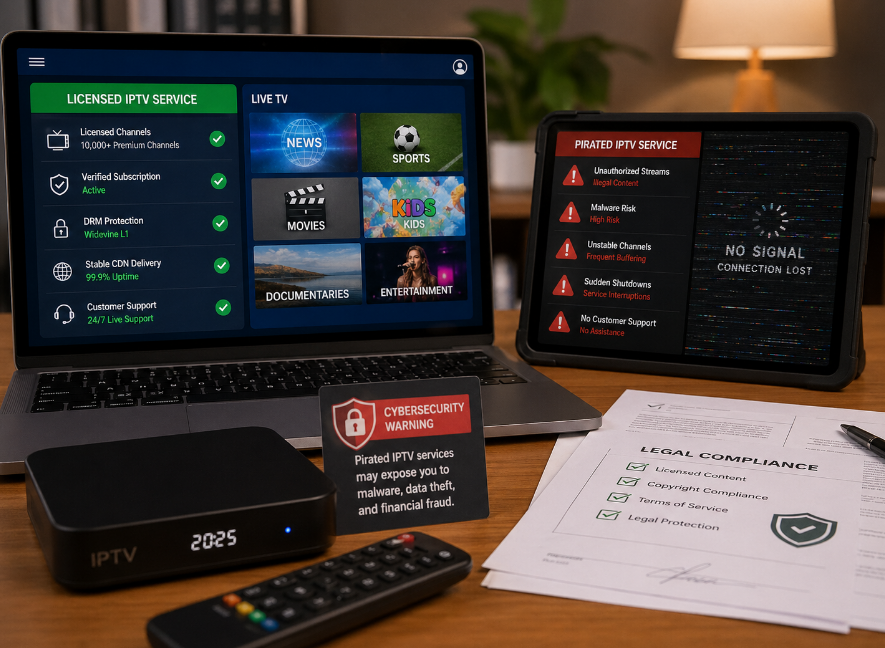
Licensed IPTV Services
When using an ıptv stream player with a licensed provider, the foundation is built on legality and verified content rights.
Legal and Regulatory Framework
Compliance with national broadcasting regulation
Valid distribution contracts
Enforced copyright protection
Clear terms of service
Transparent billing
Lawful subscription management
Technical Infrastructure
Authorized CDN delivery
Stable iptv stream quality
Minimal buffering on your iptv player
DRM enforcement
Prevents signal copying
Protects studio agreements
User Protection
Verified accounts
Data privacy standards
Dedicated support teams
Platforms like Startiptv connect smoothly with a certified ıptv stream player, ensuring your streaming player runs clean, steady, and within the law. You get reliable iptv stream access without shady surprises.
Pirated IPTV Services
An ıptv stream player linked to pirated sources runs on illegality and unauthorized feeds.
Legal Exposure
Direct infringement of copyright
Bypassed DRM
Stolen broadcasts
Possible ties to criminal activity
Security Risks
High risk of malware
Fake streaming player updates
Hidden data tracking
Unregulated servers
Sudden shutdowns
Zero accountability
Service Instability
Random channel loss
Buffer-heavy iptv stream
No real support
Using an ıptv stream player this way may seem cheap, but the hidden cost includes content theft, unstable stream player performance, and exposure to digital threats. Smart users stick with legal options like Startiptv and enjoy iptv stream reliability without gambling their security.
References
[Chapter 1 - Circular 92 | U.S. Copyright Office - https://www.copyright.gov/title17/92chap1.html]
[U.S. Copyright Law | U.S. Copyright Office - https://www.copyright.gov/title17/]
[The Digital Millennium Copyright Act | U.S. Copyright Office - https://www.copyright.gov/dmca/]
[Retransmission Consent | Federal Communications Commission - https://www.fcc.gov/media/policy/retransmission-consent]
[Closed Captioning of Video Programming Delivered Using Internet Protocol | Federal Communications Commission - https://www.fcc.gov/general/closed-captioning-video-programming-delivered-using-internet-protocol-ip]
[California Consumer Privacy Act (CCPA) | State of California Department of Justice - https://oag.ca.gov/privacy/ccpa]
[Malware from illegal video streaming apps: What to know | Federal Trade Commission - https://consumer.ftc.gov/consumer-alerts/2019/05/malware-illegal-video-streaming-apps-what-know]
[Alliance for Creativity and Entertainment - https://www.alliance4creativity.com/]
[Star IPTV | Free Trial & Best 4K IPTV Subscription Services - https://www.startiptv.ca/]
[Privacy Policy – How Star IPTV Protects Your Personal Information - https://www.startiptv.ca/privacy-policy.html]
FAQ
What makes an ıptv stream player legal in the USA?
An ıptv stream player stands on legal ground only when every stream is backed by valid Licensing Agreements and protected by clear compliance steps:
Content Rights & Sources
Licensed Live TV Feeds
Authorized Video-on-Demand Libraries
Agreements with Content Aggregators
Regulatory Duties
Compliance with Copyright Laws
Alignment with Broadcasting Regulations
Respect for Regional Licensing and Content Classification
Security Enforcement
Digital Rights Management (DRM)
Content Encryption
Authentication Systems and Access Control
Without these layers, the service quickly crosses into risk—legal exposure, fines, and forced shutdowns.
How does an ıptv stream player differ from a set-top box?
The difference is software versus hardware control, yet both rely on the same IPTV backbone.
| Aspect | IPTV Stream Player | Set-Top Boxes |
|---|---|---|
| Core Nature | Software-based app via Middleware Platforms | Physical device connected to TV |
| Infrastructure Link | Works over existing Routers, Switches, Bandwidth Capacity | Tied directly to Fiber Optic Cables |
| System Components | Connects to Video Servers, Transcoders, CDNs | Integrates Conditional Access Systems |
| User Features | UI, EPG, Catch-up TV, Multi-screen Support | Stable in-home controlled environment |
The player lives in apps and smart devices; the box lives under the TV. Both depend on Headend Equipment and Data Centers to survive peak traffic.
Why is DRM critical for large-scale IPTV deployment?
Because without protection, content owners walk away.
• Content Protection Chain
DRM shields premium channels
Content Encryption secures streams across Content Delivery Networks
Anti-Piracy Measures monitor illegal restreaming
• Operational Alignment
Works with Conditional Access Systems
Syncs with Subscriber Management Systems
Enforced across Video Servers and Transcoders
• Business Stability
Preserves Content Rights
Builds trust with broadcasters
Reduces legal disputes
Remove DRM, and the entire revenue model begins to crack.
What operational and compliance factors matter most in B2B IPTV procurement?
A purchasing decision is rarely about price alone. It balances performance, support, and regulatory safety.
Network Strength
Adequate Bandwidth Capacity
Stable Data Centers
Quality of Service (QoS) across routers and switches
Operational Backbone
Clear Service Level Agreements (SLAs)
Active Maintenance Contracts
Reliable Technical Support
Deployment Services and Training Programs
Compliance & Privacy
Data Privacy safeguards
Accessibility Standards
Cybersecurity Protocols protecting subscriber data
When these pillars align, the ıptv stream player moves from risky experiment to dependable infrastructure.