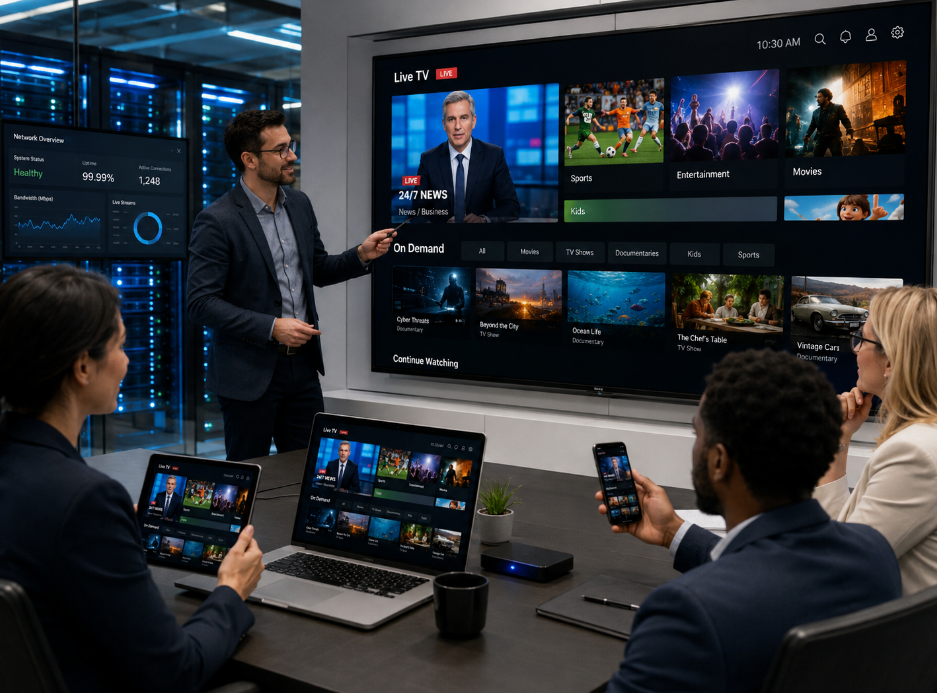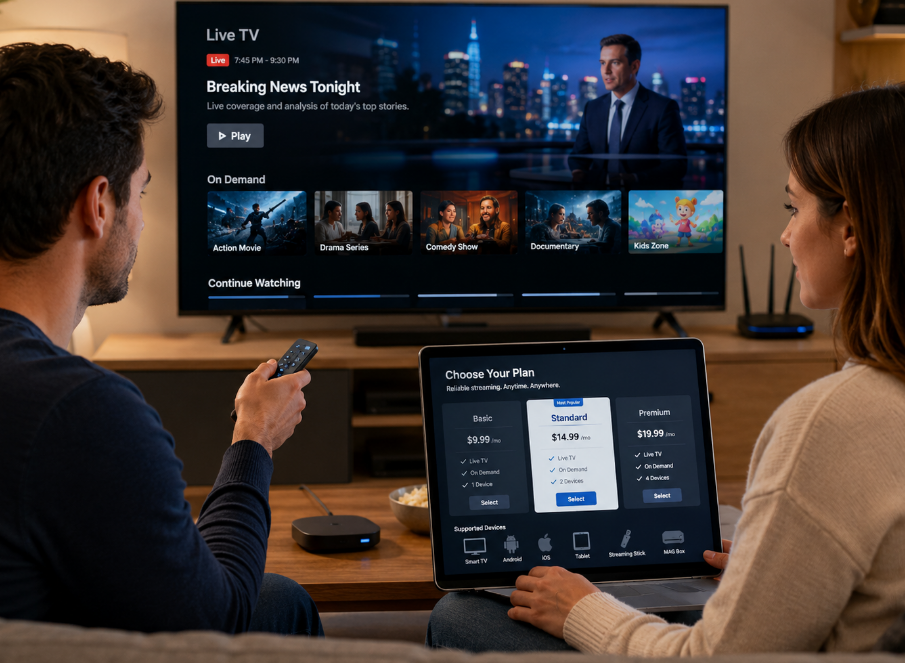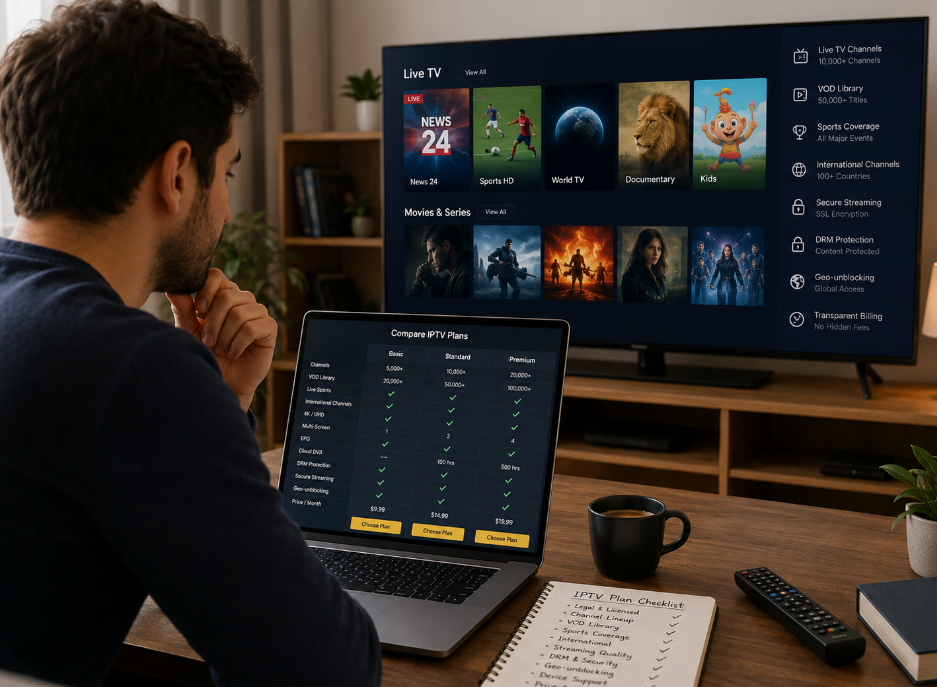
Most people shopping iptv plans think price and channel count tell the story; they don’t. Legality is the line between a steady service and a ticking liability.
In the U.S., rights, DRM, geoblocking, and billing transparency decide who’s legit, not flashy apps or giant bundles that feel too cheap.
According to Startiptv’s 2025 compliance brief, legal teams stress licensed feeds, enforced DRM, and audited billing as non-negotiable for U.S. distribution.
Key Points for IPTV Plans
➔ Legality First
Ensure licensed feeds, enforced DRM, and geoblocking to avoid liabilities and guarantee steady service.
➔ Model Diversity
Choose between SVOD, TVOD, AVOD, or PPV based on content goals and revenue strategies.
➔ Verification Steps
Inspect content protection, validate DRM, confirm geoblocking, and audit billing integration for full compliance.
➔ Regulatory Landscape
Align with FCC guidelines, DMCA takedowns, privacy rules, and anti-piracy watermarking for U.S. distribution.
Types Of IPTV Plans Explained
Choosing the right iptv plans can feel like scrolling forever without knowing what actually fits. This guide breaks down modern IPTV subscription models, pricing logic, and streaming access types so you can match your viewing habits with the right IPTV plan.
Subscription Tiers (SVOD) and Premium Content Packages
Most iptv plans start with subscription-based tiers, giving steady access to a growing library of streaming options. Inside these premium content packages, value usually scales like this:
Entry Tier
Basic channels
Limited VOD library
Standard definition streaming
Mid Tier
Expanded content catalog
HD streaming
Multi-device access
Premium Tier
Exclusive packages
4K streaming
Early-release or premium sports add-ons
Typical comparison snapshot:
| Tier Level | Monthly Price ($) | Channels | VOD Titles |
|---|---|---|---|
| Basic | 10–15 | 80+ | 2,000+ |
| Standard | 20–25 | 150+ | 5,000+ |
| Premium | 30–40 | 220+ | 10,000+ |
With modern iptv subscription plans, platforms like Startiptv organize premium content through secure streaming tech so your binge night runs smooth without buffering drama.

Transactional Video On Demand (TVOD) Offerings
Not all iptv plans lock you into a monthly deal. Some users prefer transactional video on-demand options.
Here’s how it works:
Pick a title.
Choose rental or purchase.
Complete secure digital payment.
Stream instantly or download (if allowed).
Quick comparison:
Rental → limited-time viewing
Purchase → extended ownership access
No recurring fees
TVOD fits viewers who don’t want full IPTV package plans but still want new releases without cable contracts.
Advertising Video On Demand (AVOD) Models
Many budget-friendly iptv plans mix in advertising video on-demand services. Content is free, but it’s ad-supported.
Platform flow usually looks like:
User signs up (no subscription fee).
Content streams with commercials inserted dynamically.
Ad data fuels monetization for the platform.
Within IPTV service plans, AVOD often appears as:
Bonus free movie hubs
Limited replay libraries
Trial access zones
It’s not fancy, but for casual watchers, free beats pricey.
Pay-per-view Events and Sports Rights
Some iptv plans shine during big live events. Think championship sports, boxing combat, or exclusive concert broadcast nights.
Step-by-step purchase flow:
Browse event listings.
Confirm pay-per-view pricing.
Complete one-time payment.
Receive timed streaming rights.
According to Deloitte’s 2025 Digital Media Trends report, live sports remain one of the strongest drivers of paid streaming upgrades, with over 40% of surveyed viewers willing to pay extra for exclusive access.
That’s why many IPTV subscription plans bundle event upgrades separately. Even flexible providers like Startiptv highlight premium sports add-ons for fans who don’t want to miss the action.
International Channel Bundles & Catch-up TV Services
Global viewers look for international channels inside IPTV package plans. These bundles usually include:
Regional Channel Packs
Europe
Asia
Middle East
Latin America
Language-Based Categories
News
Drama
Kids
Sports
Time-Shift Features
24–72 hour catch-up TV
Program replay
On-demand archive
With flexible IPTV subscription options, users can mix global services with local favorites. If you compare modern iptv plans, you’ll notice international bundles often decide the real value of an IPTV streaming plan.
Legal Vs. Illegal IPTV Plans: Key Differences
Choosing between different iptv plans can feel confusing when every service claims to be the best. Some iptv plan options follow strict rules and protect users, while others cut corners. Understanding how iptv, streaming plans, and plans for iptv actually operate helps you avoid stress, wasted money, and legal headaches.
Legal IPTV Plans
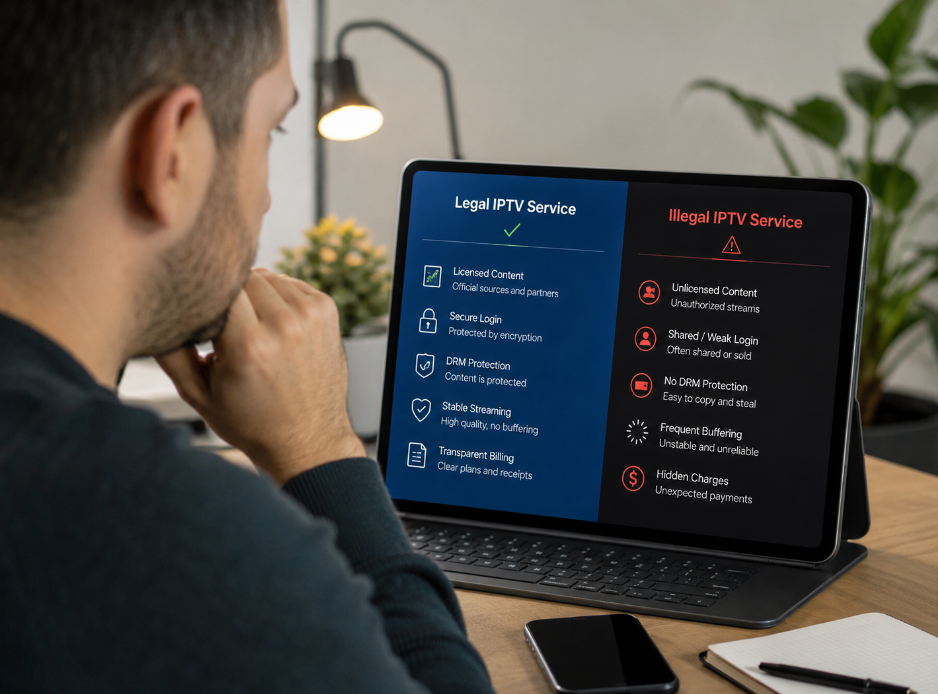
Legal iptv plans operate inside a clear framework built on Content licensing and Authorized distribution. That structure shapes how the service runs from top to bottom.
Core foundation
1.1 Subscription service model tied to formal billing
1.2 Signed Service agreements with broadcasters
1.3 Strict Copyright protection policies
Technical safeguards
2.1 DRM systems preventing copying
2.2 Geoblocking aligned with Regulatory compliance
2.3 CDN-backed delivery for stable streaming
User assurance
Access to Official content
Transparent pricing
Account security checks
When you buy iptv plans from a compliant provider like Startiptv, you’re paying for stability, support, and lawful access. The iptv plan isn’t just about channels; it’s about a protected ecosystem. Streaming plans built this way reduce buffering, protect personal data, and respect digital rights.
Illegal IPTV Plans
Illegal iptv plans look cheap, but the structure tells a different story.
Content sourcing
1.1 Unlicensed content pulled without permission
1.2 Direct Copyright infringement
1.3 Clear Digital rights violation
Access methods
Bypassed DRM
Masked servers
Shared logins enabling Unauthorized access
User impact
3.1 Risk of Legal consequences
3.2 Sudden shutdowns
3.3 Poor quality from unstable feeds
These iptv plans rely on Content piracy and Illicit streaming, which often leads to blackouts or lost payments. While the price tag seems tempting, unreliable iptv service and exposure to penalties make illegal streaming plans a risky bet. Choosing trusted iptv plans, such as those offered by Startiptv, keeps your viewing smooth and above board.
4 Steps To Verify IPTV Plans Legality
Choosing the right iptv plans isn’t just about price or channel count. It’s about legality, safety, and long-term reliability. When comparing IPTV plans, streaming plans, or digital TV packages, small technical signals often reveal if a provider is playing by the rules. Here’s how to check.
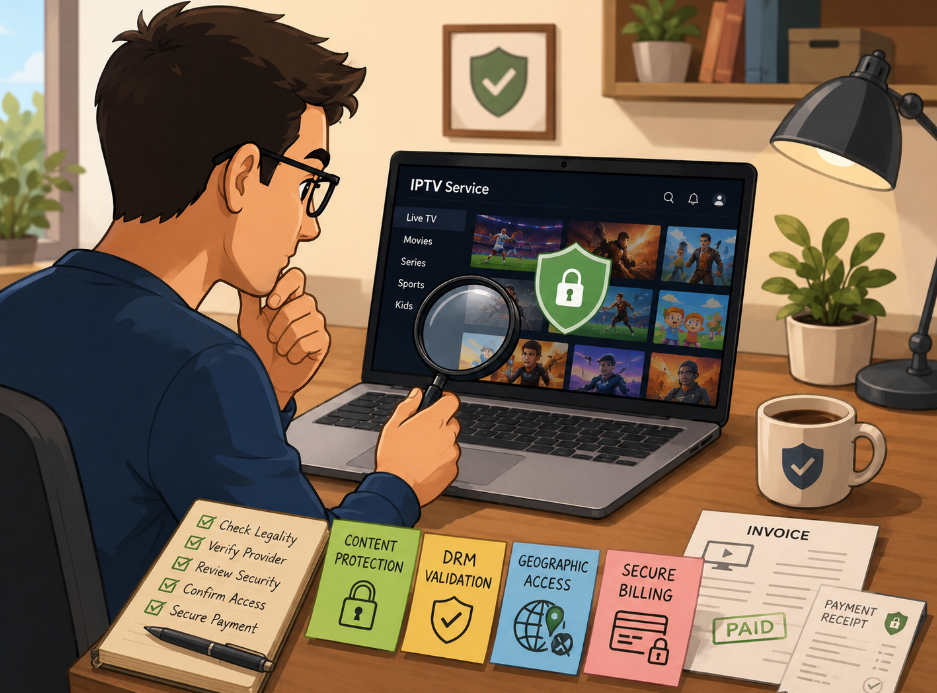
Step 1 – Inspecting Content Protection Mechanisms
Strong protection starts with layered content security. When reviewing iptv plans, examine how streams are protected across networks:
Encryption protocols securing live and VOD traffic
Dynamic watermarking tied to subscriber IDs
Real-time anti-piracy monitoring
Token-based access control
Then go deeper:
Network Layer
AES-128/256 encryption
Secure CDN delivery
Application Layer
Session-based DRM enforcement
Device fingerprint validation
Legal Layer
Active copyright claim response
Documented takedown process
Legitimate IPTV subscriptions, including services like Startiptv, openly describe these systems instead of dodging the topic.
Step 2 – Validating Digital Rights Management
Proper DRM aligns with documented licensing agreements and strict usage policies. If IPTV plans allow unlimited copying or unrestricted redistribution, that’s a red flag.
Check:
Multi-device authentication
Enforced digital rights per account
Logged content access sessions
Clear compliance disclosures
A provider selling legal IPTV packages will explain how playback keys are issued and revoked. Startiptv, for example, integrates middleware-level DRM tied directly to subscription status.
Step 3 – Checking Geographical Restrictions (Geoblocking)
Legal iptv plans respect territorial rights and regional licensing rules. That means smart geoblocking based on verified IP address and location detection.
| Control Element | Technology Used | Legal Purpose | Risk if Missing |
|---|---|---|---|
| IP Filtering | Geo-IP database | Enforce jurisdiction | License breach |
| DNS Routing | Regional edge servers | Control content availability | Global exposure |
| Account Validation | Address verification | Match regional licensing | Fraud risk |
| VPN Detection | Traffic analysis | Protect territorial rights | Piracy claims |
If every channel is available “worldwide,” question it. Lawful IPTV subscriptions limit access by market.
Step 4 – Confirming Billing & CRM Integration Legitimacy
Transparent billing systems say a lot about IPTV plans. Legal providers maintain:
Secure payment processing
Structured subscription management
Protected customer data
Auditable transaction records
Look closer at integration:
Financial Layer
PCI-aligned processing
Clear refund terms
Customer Layer
Centralized CRM
Verified subscriber IDs
Regulatory Layer
Documented financial compliance
Enforced data privacy safeguards
Shady IPTV packages often rely on anonymous crypto-only payments and no invoices. Legitimate services, including Startiptv, tie subscriptions to accountable systems that support both users and regulators.
When evaluating iptv plans, these four checks keep you on the safe side—protecting your money, your data, and your viewing rights.
What Regulations Govern IPTV Services In The US?
IPTV in the U.S. isn’t a free-for-all. Behind every set of iptv plans, live stream bundle, or custom IPTV subscription sits a stack of federal rules. If you’re comparing IPTV plans or managing IPTV services, knowing the legal guardrails keeps things smooth and drama-free.
Federal Communications Commission (FCC) Guidelines
The Federal Communications Commission sets the tone through a layered regulatory framework tied to telecommunications law and national US regulations.
Licensing and Classification
1.1 Service Type
1.2 Spectrum & Infrastructure
Providers using wireless components must meet spectrum authorization rules.
Cable-equivalent IPTV services may fall under specific licensing requirements.
Broadband-delivered IPTV plans often interact with Title I or Title II classifications.
Content & Broadcasting Standards
2.1 Accessibility
2.2 Decency & Public Interest
Even digital IPTV services must respect content obligations tied to public welfare.
Closed captioning and emergency alerts align with federal broadcasting standards.
Compliance Oversight
3.1 Reporting Duties
3.2 Enforcement
Fines or consent decrees apply when IPTV subscription models break FCC rules.
Periodic filings ensure compliance mandates are met.
For users shopping iptv plans, this framework quietly shapes pricing, channel access, and service stability.
Digital Millennium Copyright Act (DMCA) Compliance
The Digital Millennium Copyright Act is the backbone of IPTV content protection. Any provider offering iptv plans must respect intellectual property rights or risk shutdown.
Core compliance areas include:
Honoring safe harbor provisions as online service providers
Responding quickly to takedown notices
Preventing copyright infringement through content protection systems
Many IPTV services build internal workflows:
Receive complaint
Verify ownership claim
Disable disputed stream
Notify uploader
Document action for audit trail
“Digital piracy remains a primary enforcement focus in streaming ecosystems,” noted the U.S. Chamber of Commerce Global Innovation Policy Center in its 2025 IP report, highlighting increased scrutiny on unlicensed IPTV plans.
For legal iptv plans, DMCA alignment isn’t optional—it’s survival.
Data Privacy Regulations & Access Control Policies
Selling IPTV subscription packages means handling personal information. That pulls providers into strict data privacy laws.
User Data Protection
1.1 Storage Controls
1.2 Data Minimization
Only necessary user data protection elements are retained.
Encryption protects billing records and viewing logs.
Access Control Mechanisms
2.1 Role-Based Permissions
Shields admin dashboards tied to iptv plans.
Staff access follows structured access control mechanisms.
Policy & Consent
3.1 Transparent privacy policies
3.2 Clear consent management flows
3.3 Ongoing regulatory compliance audits
When customers compare iptv plans, trust in data security often matters as much as channel count.
Anti-piracy Technologies and Watermarking Solutions
Legal IPTV services rely on layered anti-piracy measures to guard premium streams.
A typical protection flow looks like this:
Apply digital watermarking at source.
Encrypt feeds with advanced DRM systems.
Monitor distribution using real-time piracy detection tools.
Launch forensic analysis when leaks surface.
Initiate copyright enforcement actions.
Some providers also use:
Dynamic IP blocking
Token-based session validation
Automated streaming protection alerts
Strong content security keeps iptv plans competitive and clean. Without it, even well-priced IPTV subscription offers can spiral into legal headaches fast.
Which IPTV Plans Fit Your Business?
Choosing the right iptv plans isn’t just about price. It’s about how your IPTV plan supports growth, content delivery, and daily operations. From startups testing IPTV packages to enterprises managing global IPTV subscription plans, the structure behind those plans shapes profit, churn, and user satisfaction. Let’s break it down in plain terms.
Small Business: Bundling Strategies & CMS Ease-of-Use
For small operators, small business solutions tied to flexible iptv plans keep things simple and sellable.
Bundling works best when built around:
Core live TV + limited VOD
Add-on sports or regional packs
Short-term promotional IPTV packages
Behind every good bundle sits a clean content management system:
Channel drag-and-drop scheduling
Fast VOD uploads
Clear subscriber tagging
Operational flow improves with:
Integrated billing
Smooth platform integration
Dashboard-level operational simplicity
A practical setup often looks like this:
Service Packages
Expanded VOD
Priority support
80+ channels
Entry IPTV plan pricing
Basic Plan
Premium Plan
The goal is sharp user experience, not clutter. Providers using Startiptv often choose modular IPTV subscription plans that scale without overloading staff or budget.
Enterprise: Wholesale Partner Programs & NMS Scalability
At scale, enterprise solutions revolve around three pillars:
Expanding wholesale programs
Strengthening partner networks
Optimizing the network management system
Large distributors map their distribution strategy around infrastructure growth. An enterprise IPTV plan must handle:
• Multi-region streaming
• CDN balancing
• Real-time analytics
As subscriber bases grow, system scalability becomes non-negotiable. Growth typically follows this flow:
Secure wholesale IPTV packages.
Integrate partners into centralized NMS.
Expand nodes for predictable infrastructure growth.
This is where mature iptv plans outperform entry-level setups. Smart operators often align global IPTV subscription plans with Startiptv to stabilize performance while pushing into new territories.

Niche Providers: Customizable UI & Multi-screen Device Support
Niche brands win by standing out.
Step 1: Define the niche market audience.
Step 2: Build strong user interface customization—themes, layouts, branded menus.
Step 3: Ensure deep multi-screen support.
Device expectations now include:
Mobile apps
Smart TVs
Full device compatibility with STB hardware
Content matters, but presentation drives loyalty. With adaptive IPTV plan structures and flexible IPTV packages, providers can refine platform flexibility and craft specialized services that feel personal.
In short, the right iptv plans match your scale, your tech stack, and your audience—nothing flashy, just smart alignment.
FAQ
What makes IPTV plans legal?
Legal IPTV plans operate with licensed feeds, authorized distribution, DRM protection, geoblocking, transparent billing, and documented compliance processes. The article explains that legality depends on rights, content protection, regional licensing, and accountable subscription systems rather than just channel count or low pricing.
Why are price and channel count not enough when comparing IPTV plans?
Price and channel count can be misleading because very cheap plans or oversized bundles may hide weak licensing, poor content protection, unstable feeds, or unclear billing. A safer comparison looks at licensed content, DRM, geoblocking, privacy controls, support, refund terms, and long-term service reliability.
What are the main types of IPTV plans?
The article describes several IPTV plan models, including subscription video on demand for recurring access, transactional video on demand for rentals or purchases, advertising video on demand for free ad-supported viewing, and pay-per-view plans for live sports, combat events, concerts, or other timed premium broadcasts.
How do IPTV subscription tiers usually differ?
IPTV subscription tiers usually differ by channel volume, VOD library size, streaming quality, device access, and premium add-ons. Entry tiers may focus on basic channels and standard definition, mid tiers may add HD streaming and multi-device access, while premium tiers may include 4K streaming, larger libraries, exclusive packages, or sports add-ons.
Why do DRM, encryption, watermarking, and geoblocking matter for IPTV plans?
DRM, encryption, watermarking, and geoblocking help protect live and VOD streams from copying, redistribution, unauthorized access, and regional license violations. The article presents these controls as technical safeguards that support legal distribution, stable access, subscriber accountability, and stronger anti-piracy enforcement.
How can users verify whether IPTV plans are legal?
Users can verify IPTV plan legality by inspecting content protection mechanisms, validating DRM and licensing policies, checking geographical restrictions, and confirming legitimate billing and CRM integration. The article also recommends looking for secure payment processing, clear refund terms, protected customer data, and auditable transaction records.
What U.S. regulations affect IPTV services?
The article highlights several U.S. legal and compliance areas for IPTV services, including FCC-related guidelines, DMCA takedown procedures, copyright protection, data privacy rules, access control policies, anti-piracy technologies, watermarking, and content security measures. These rules shape how IPTV providers manage rights, user data, stream access, and enforcement workflows.
Which IPTV plans fit different business needs?
Small businesses may need simple bundles, easy CMS tools, billing integration, and operational simplicity. Enterprises usually need wholesale programs, partner networks, network management systems, CDN balancing, and scalability. Niche providers may prioritize custom user interfaces, multi-screen support, device compatibility, and specialized services for a defined audience.