
Searching for a lower-cost way to watch television can put Canadians in front of offers that look polished but leave important questions unanswered. This guide explains the most common IPTV scams Canada shoppers may encounter, the checks to make before paying, and the practical steps to take if something goes wrong.
First, separate IPTV technology from the content offer
IPTV describes a way of delivering television through an internet connection. It is not, by itself, proof that a service is authorized, unauthorized, safe, or unsafe. A player app is simply a tool; it does not supply channels on its own. The important question is whether the provider has the rights to offer the particular content to viewers in Canada and whether its terms are clear.
The CRTC explains that online availability depends on distribution rights and territory. A programme may be available through one Canadian service but unavailable through another because rights are bought for a particular place and period. Treat claims such as “every premium channel, everywhere, forever” as a reason to investigate—not as a reason to rush. Read the CRTC’s overview of online content and distribution rights.
What IPTV scams in Canada tend to look like
Not every disappointing service is a scam. A stream can buffer because of a local network issue, a device limitation, or a temporary outage. The more serious warning signs are misleading claims, hidden billing, fake identities, inaccessible support, or an offer that does not explain content rights. Look at the full pattern rather than one isolated detail.
1. The impossible catalogue claim
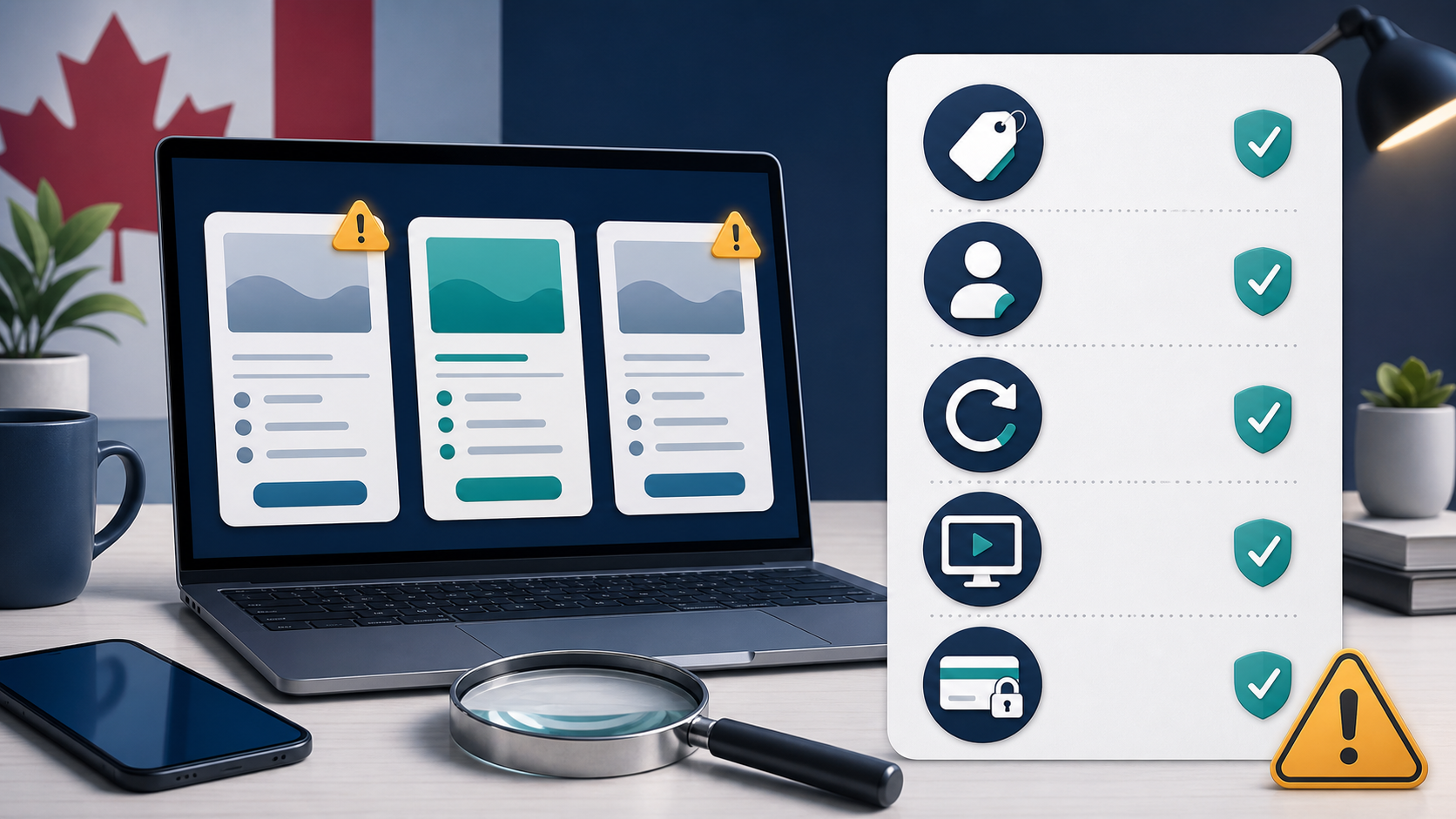
An offer that promises every major sports event, premium film library, and international channel for a tiny flat fee may be avoiding the real question: who is licensed to deliver that content in Canada? Ask the provider to explain its content authorization and territorial availability in plain language. Vague reassurances, changing answers, or pressure to “activate now” are not substitutes for a clear answer.
2. The vanishing provider
Some sellers advertise through a social account, a short-lived website, or a messaging app with no reliable way to identify the business. Before buying, look for a working contact route, business information, terms of sale, privacy information, a refund process, and a way to keep a copy of what you agreed to. Canada’s Office of Consumer Affairs recommends checking a seller’s contact information, terms, complaint and return policies, and legitimate reviews before an online purchase.
3. A “free trial” that becomes recurring billing
A short trial can be useful, but only when the price after the trial, renewal interval, cancellation method, and any limits are shown before payment. The Competition Bureau warns that subscription traps can start with free or low-cost offers and turn into charges that are difficult to stop. Read the checkout screen and the confirmation email; save both. See the Competition Bureau’s subscription-trap guidance.
4. The price that changes at checkout
Be wary if taxes, currency conversions, “activation” costs, payment surcharges, or other mandatory fees appear only at the final step. The advertised price should make sense beside the total you will actually pay. A sudden change in price, plan length, or currency is a reason to pause and capture the page before proceeding.
5. Reviews that do not stand up to a closer look
Star ratings, countdown clocks, and testimonials can be copied, purchased, or selectively displayed. Search for independent discussion, including specific negative feedback, but do not treat any single review platform as conclusive. Check whether the reviews describe real details, whether the reviewer histories look credible, and whether the provider responds consistently to complaints.
6. Payment pressure or an untraceable payment method
A seller who insists that you pay immediately through a method with little dispute support, or who refuses to provide a receipt and plan terms, is asking you to accept more risk. Use a payment option you understand, confirm the merchant name that will appear on your statement, and avoid sharing passwords, bank-login credentials, or identity documents merely to start a TV subscription.
Quick comparison: normal questions versus scam signals
| What you need to know | A more reassuring answer | A warning sign |
|---|---|---|
| Content authorization | Clear explanation of availability and rights for Canada | “Everything is included” without an explanation |
| Final cost | Total, currency, renewal, and mandatory fees are shown before payment | Fees or a different term appear only at checkout |
| Cancellation | A documented process and a way to retain confirmation | Only a disappearing chat account or no process at all |
| Support | Identifiable contact route and consistent answers | Pressure to pay before basic questions are answered |
A five-minute IPTV offer check before you pay
Read the entire offer. Note the plan term, currency, total cost, renewal date, number of simultaneous streams, and device limits.
Verify the seller. Find contact details, terms, privacy information, and a refund or cancellation path. Save copies or screenshots of those pages.
Ask about authorization. Check whether the provider can explain the rights basis for the content it offers in Canada. Do not assume an app-store listing or a Canadian-themed webpage answers that question.
Check the payment flow. Confirm the final total before submitting payment and make sure the checkout uses a secure connection. The Government of Canada recommends reviewing understandable terms, security information, complaint handling, and payment options for online purchases. Review the official online-shopping checklist.
Keep a record. Save the offer, receipt, policy pages, provider messages, and confirmation email in one folder. If the service changes later, those records matter.
How to use a trial without turning it into a trap
A legitimate evaluation period should help you answer a few ordinary questions: Does the service work on your device? Are the support and cancellation instructions clear? Does the actual catalogue match the description? Are the streams you intend to watch authorized for you in Canada?

Confirm exactly when a trial ends and whether it renews automatically.
Test only the devices and networks you expect to use.
Check that account, cancellation, and support routes work before the trial ends.
Do not install unverified software or enter provider credentials into a look-alike site.
Cancel using the documented method if the terms or authorization answers are unclear; retain the cancellation confirmation.
For readers considering startiptv.ca, begin with its FAQ, pricing page, refund policy, and terms and conditions. Confirm the current plan details, trial terms, device compatibility, cancellation process, and content authorization directly with the provider before you order. Site information can change.
Payment and account safety for IPTV subscriptions
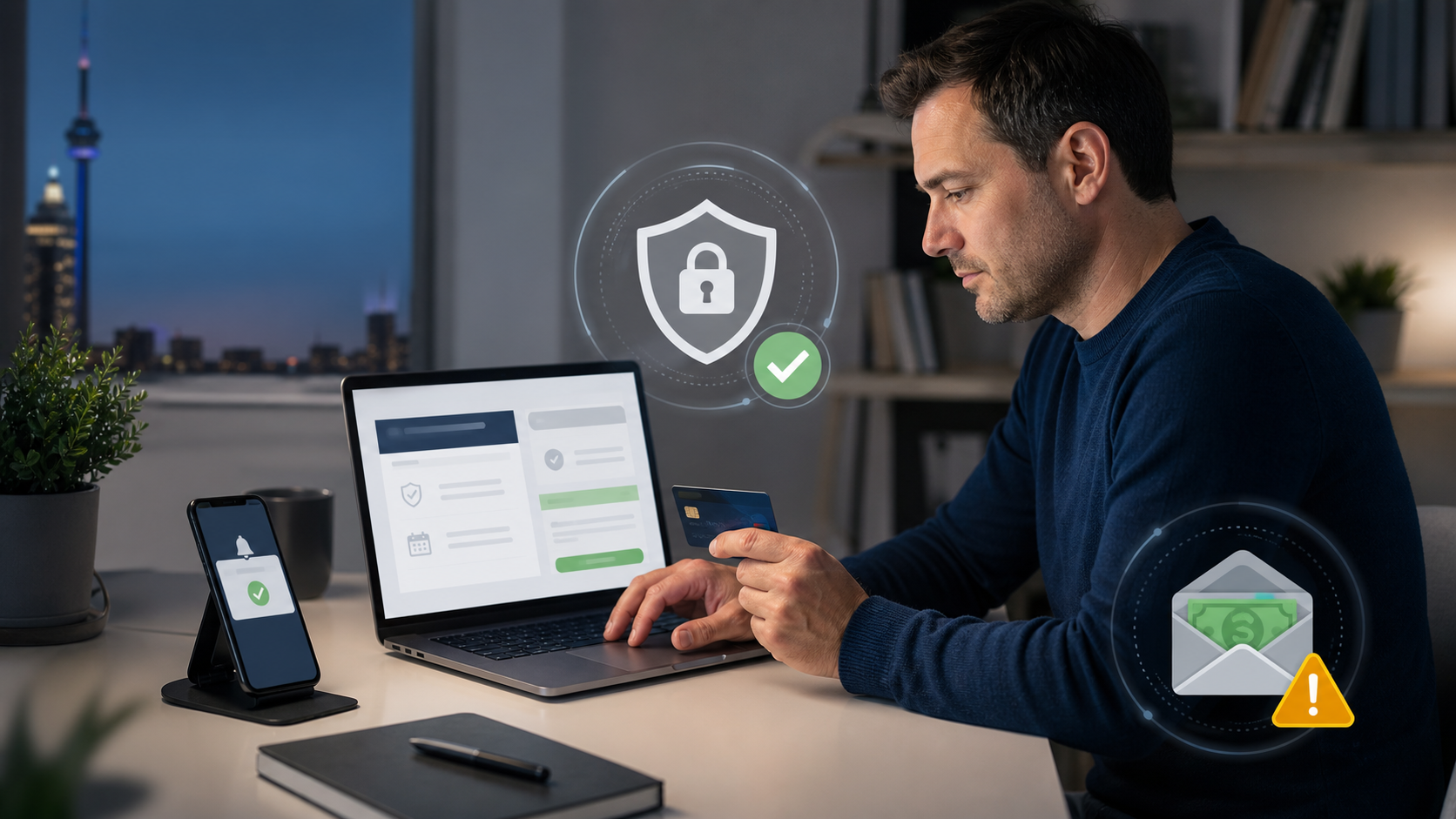
Security starts with limiting what you share. A TV provider may need an email address and payment details through its checkout; it should not need your banking password, a remote-access session to your device, or a photo of government identification simply to activate a standard subscription. If a message asks you to “verify” an account through an unexpected link, go to the provider’s known website yourself rather than using the link.
Check your card or bank statement after subscribing and again around the stated renewal date. The Canadian government advises consumers to watch for automatic opt-ins, recurring subscriptions, and fees in the final order summary. Read the Government of Canada’s guidance on dark patterns.
What to do if you think you were scammed
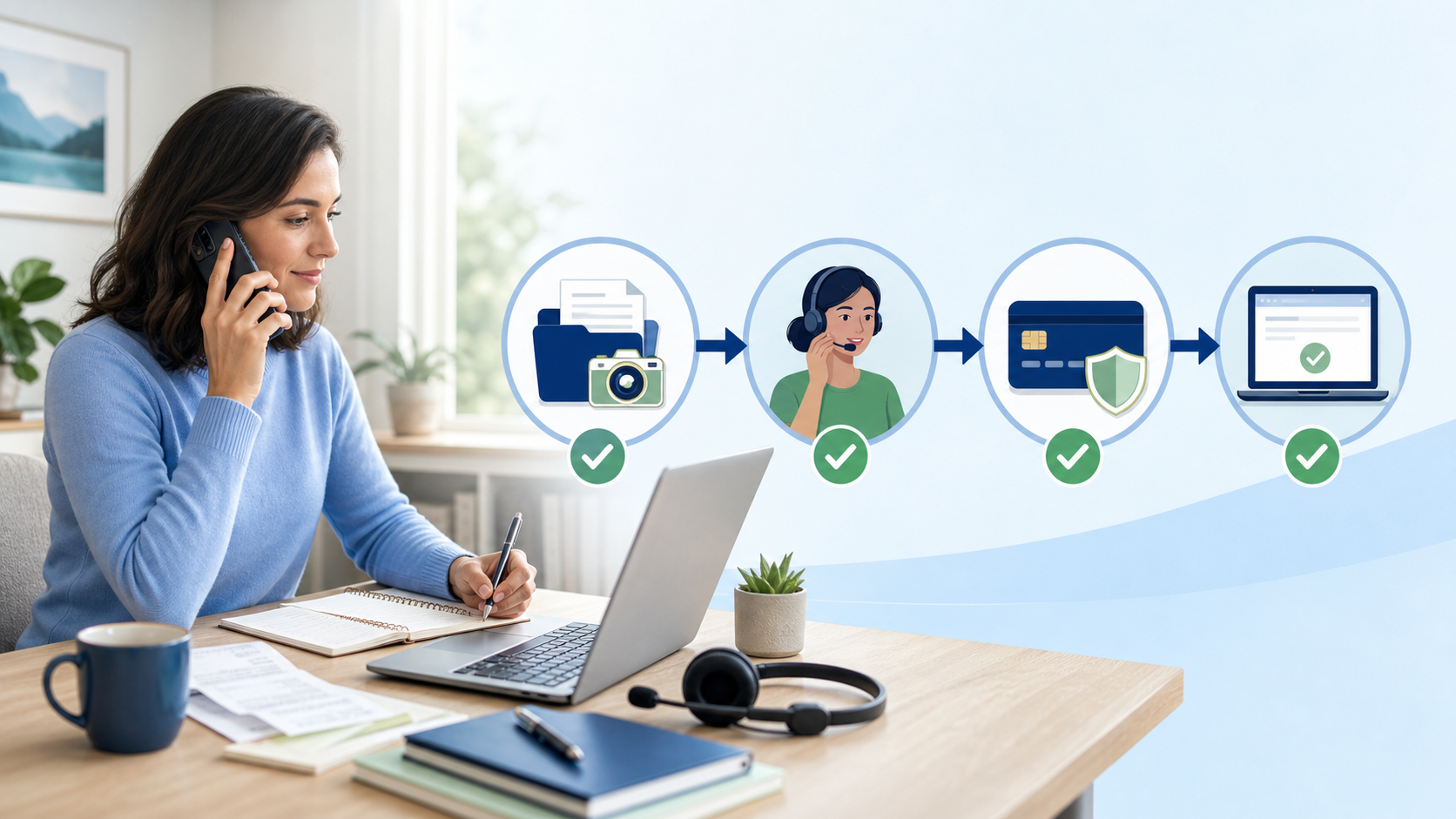
Stop further sharing. Do not send more money, credentials, codes, or identity documents.
Preserve the evidence. Save receipts, the offer URL, policy pages, support chats, emails, transaction IDs, and screenshots of the final checkout total.
Contact the provider in writing. State the issue and request cancellation or a refund under the published policy. Keep a copy of the message and any reply.
Contact your card issuer or financial institution promptly. Ask what options apply to the transaction and whether your payment details need to be replaced. The outcome depends on the facts and provider rules; no refund is guaranteed.
Report suspected fraud or cybercrime. Canadians can report online through the Canadian Anti-Fraud Centre reporting service. For potentially false or misleading advertising, the Competition Bureau explains reporting options. Your provincial or territorial consumer affairs office may also help identify relevant complaint channels.
Bottom line
The safest response to a tempting IPTV offer is a short pause. Check who is selling it, what you will really be charged, how you can cancel, and whether the provider can clearly explain authorization for the content in Canada. Transparent information is not a guarantee of quality, but missing or evasive information is a meaningful warning sign.
Frequently asked questions
What are the most common IPTV scams Canada shoppers should watch for?
Common patterns include impossible catalogue promises, hidden recurring charges, fake reviews, missing seller information, misleading final prices, and payment pressure. One sign alone is not definitive. Look for a pattern of unclear terms, evasive support, and claims the seller cannot substantiate.
Is IPTV itself illegal in Canada?
No. IPTV is a delivery method. The relevant questions are whether the specific content is offered with appropriate rights in Canada and whether the customer uses the service under its terms. A player app does not provide channels by itself. This is general information, not legal advice.
How can I check an IPTV provider before I pay?
Check the seller’s contact information, terms, refund and privacy pages, cancellation process, total checkout price, and payment method. Ask about content authorization for Canada. Save the pages and compare the offer with independent sources before giving payment details.
Are very low IPTV prices always a scam?
Not automatically, but an unusually low price should trigger more questions. Confirm the plan term, currency, mandatory fees, renewal rules, and authorization basis. If a provider cannot give clear, consistent answers, do not rely on the headline price.
What should a clear IPTV refund policy include?
Look for eligibility, time limits, exclusions, the request process, how the provider confirms receipt, and the expected handling path. Read the policy before paying and keep a copy. A policy alone is not proof that a refund will be granted.
Can I trust IPTV reviews on a provider’s website?
Treat on-site reviews as marketing material, not independent verification. Look for specific details, check a range of external sources, and read negative feedback as well as praise. Never let a review count replace checking the service’s terms and authorization claims.
What should I test during an IPTV free trial?
Confirm the end date, renewal behaviour, device compatibility, support route, cancellation instructions, and whether the service description matches what is delivered. Do not use a trial to access streams you are not authorized to watch.
What payment details should I never share with an IPTV seller?
Do not share banking passwords, one-time security codes, remote access to your device, or identity documents unless you have a separate and verified reason to do so. A standard subscription checkout should not need those credentials.
What do I do about an IPTV subscription I cannot cancel?
Request cancellation in writing, preserve the messages and policy page, then contact your card issuer or financial institution promptly to ask about available options. You can also report suspected fraud through the Canadian Anti-Fraud Centre. Outcomes depend on the facts and the applicable policies.
How can I use startiptv.ca more carefully?
Read startiptv.ca’s current FAQ, pricing, refund, privacy, and terms pages before ordering. Confirm the exact plan, total charge, renewal and cancellation terms, device compatibility, and content authorization directly with the provider. Keep copies of the information you relied on.